Contents
- 1 Experience Kyoto’s Cultural Heritage Indoors
- 2 Discover Kyoto’s Best Indoor Museums and Artistic Attractions
- 3 Sample Kyoto’s Culinary Delights in Indoor Markets and Food Halls
- 4 Relax and Recharge in Kyoto’s Best Indoor Onsens and Spas
- 5 Enjoy Entertainment, Shopping, and Family Fun Indoors
- 6 Plan Your Perfect Indoor Kyoto Itinerary by Weather and Season
- 7 Conclusion
- 8 FAQs
- 8.1 1. What indoor activities are best for families with children in Kyoto?
- 8.2 2. Should I book indoor experiences like tea ceremonies or workshops in advance?
- 8.3 3. Are Kyoto’s indoor attractions accessible for people with mobility needs?
- 8.4 4. What indoor Kyoto attractions are ideal during rain or extreme weather?
- 8.5 5. Are English-language tours or guides available at most indoor sites?
A sudden rainstorm in Kyoto can turn a carefully planned sightseeing adventure into a soggy scramble for cover. But what if gray skies and drizzling afternoons could actually open the door to some of the city’s most fascinating experiences—hidden gems that you might otherwise overlook?
Think of slipping into a centuries-old tea house to practice the art of matcha, donning a lavish kimono for a hands-on textile workshop, or discovering the secrets of Kyoto’s culinary scene from the comfort of bustling food halls. From immersive museums to creative studios, tranquil spas, and vibrant shopping arcades, Kyoto is bursting with indoor activities that reveal the city’s heart from a new angle.
Stick with us, and you’ll discover what’s the most enjoyable indoor things to do in Kyoto—rain or shine—while exploring its rich culture, delicious food, interactive workshops, and cozy havens loved by locals and travelers alike.
Experience Kyoto’s Cultural Heritage Indoors
Kyoto is home to some of Japan’s most iconic traditions, and experiencing its rich cultural heritage indoors is both rewarding and accessible—even when rainy weather keeps you from exploring temple grounds or picturesque gardens. One of the most quintessential experiences is joining a traditional tea ceremony, where Japanese tea masters demonstrate the art of preparing matcha and serving delicate wagashi (Japanese sweets). Many tea houses near central Kyoto and landmarks like the Higashiyama district offer sessions in English. To join, you’ll often need to reserve in advance, as spots are limited and etiquette (such as bowing, sitting seiza-style, and quiet attentiveness) is observed. Prices for a 45- to 90-minute session typically range from ¥2,000–¥5,000, depending on the venue and whether you’re guided by a tea master.
Getting hands-on with Kyoto’s textile culture is just as immersive. The Nishijin Textile Center, located in the historic nishijin district, invites visitors to try on kimono or yukata. You can also watch artisans weaving ornate fabrics and even join weaving workshops where you’ll create a small souvenir to take home. Dress-up sessions are popular with tourists and locals alike, offering memorable photo opportunities in beautiful traditional outfits. Most experiences are walk-in friendly, though groups and peak season visits benefit from booking ahead.
For those seeking inner calm, several temples in Kyoto, such as those in the daitokuji complex, offer Zen meditation (zazen) sessions with English guidance. Sessions run from early morning to late afternoon, last about 30–60 minutes, and often welcome both beginners and experienced practitioners. Some temples provide cushions and have barrier-free access for those with mobility concerns. Quiet meditation spaces offer a perfect moment of stillness away from the city bustle.
If you want a creative keepsake, Kyoto also offers hands-on Kiyomizu-yaki experience pottery workshops, where you can design and paint traditional ceramics.
Whether you’re sipping quality matcha, donning elegant kimono, or meditating in a serene tea room, Kyoto’s indoor cultural experiences provide a deep connection to Japanese tradition, rain or shine.
Discover Kyoto’s Best Indoor Museums and Artistic Attractions
When you’re in Kyoto and looking to stay dry, the city’s museums and artistic venues are some of the finest indoor attractions in Japan. The Kyoto National Museum sits in the heart of Higashiyama, boasting both permanent exhibitions and rotating shows that highlight Japanese art and cultural treasures from the Heian to Edo periods. Adult tickets typically cost ¥1,800, with discounts for students and seniors, and the site is wheelchair accessible and stroller-friendly. Depending on the season, you might catch special exhibitions featuring Buddhist statues, calligraphy, and historical artifacts few visitors see elsewhere.
Fans of manga culture should not miss the Kyoto International Manga Museum. Home to a massive manga library with over 300,000 volumes, this museum welcomes both casual readers and die-hard enthusiasts—many titles are in English translation. The museum’s permanent and temporary exhibitions often celebrate the evolution of Japanese manga and the talented manga artists behind your favorite series. Families can also join drawing workshops and live demonstrations, especially during school holidays. Check the official website for the most up-to-date Kyoto International Manga Museum admission fee information and event schedules.
History buffs and families rave about the Kyoto Railway Museum, one of Japan’s largest train museums. Hands-on exhibits let you step into real train cabs, try interactive simulators, and learn about the role of rail in Kyoto’s modernization. Kids love the miniature trains and family-friendly amenities, while adults appreciate the historical rolling stock and informative displays. Barrier-free access, spacious exhibition halls, and a café space make it easy to enjoy a visit rain or shine.
For those fascinated by Japanese arts and craftwork, the Kyoto Museum of Crafts and Design—formerly Kyoto Museum of Traditional Crafts—hosts exhibitions on kimono, lacquerware, nishijin textiles, and more. Recent exhibitions have included live demonstrations by artisan weavers and hands-on craft stations for visitors. Tips for your visit: weekends and holidays may be busy, but early mornings tend to be quieter.
To dive into Kyoto’s sake culture, the Gekkeikan Okura Sake Museum in Fushimi guides you through the brewing process and the role of sake in regional tradition. Tours are available in English and often include tastings of freshly brewed sake. Reservations for guided tours (about ¥400–¥600) are recommended, particularly during the peak rainy season, and you can browse sake-related souvenirs after the tasting.
For a restorative break, consider relaxing at Gion Sento Baths after your museum tour—a beloved part of Japanese comfort culture.
Exploring these artistic and historical indoor attractions lets you engage deeply with Kyoto’s heritage, regardless of the season or weather outside.
Engage with Kyoto’s Hands-On Workshops and Creative Studios
Kyoto’s artistic spirit shines even on a rainy day, thanks to its abundance of immersive hands-on workshops and creative studios.
For pottery enthusiasts, participating in a guided Kiyomizu-yaki experience lets you craft your own traditional ceramics, inspired by centuries-old Kiyomizu styles. Most workshops are family-friendly and welcome beginners, with prices typically ranging from 3,000 to 6,000 yen. Booking ahead is highly recommended, especially during the busy tourist season—many studios let you Reserve in Advance online, ensuring your seat at the wheel.
Kyoto is also famous for its refined incense—try your hand at incense-making at studios like Shoyeido or Lisn, where artisans guide you through scent blending and the history of Japanese incense. Sessions introduce various traditional scents, from delicate cherry blossom to foresty sandalwood, and usually last one to two hours. Reservations are advised, as class sizes are kept small for a more personal experience.
If Kyoto’s cuisine tempts you, sushi-making and Japanese cooking classes are a popular option. Top-rated studios near Kawaramachi and Kyoto Station offer lessons where you’ll roll sushi, cook homemade dashi soup stock, or learn how to prepare dainty wagashi sweets. Reviews praise these workshops for being accessible to kids and non-Japanese speakers—plus, you get to eat what you make, making it a delicious souvenir.
For travelers wanting to try local crafts, many studios offer hands-on experiences in calligraphy, fan making, or weaving Nishijin textiles. Workshops are generally suitable for all ages, and staff are often ready to assist in English and Japanese. These creative activities are perfect for families or solo travelers looking for memorable, interactive indoor activities in Kyoto.
Immerse Yourself in Samurai, Ninja, and Geisha Culture
Kyoto is the perfect place to step into the world of legendary samurai, stealthy ninjas, and graceful geisha—even while staying dry indoors.
A visit to the Kyoto Samurai & Ninja Museum offers fascinating indoor exhibits featuring authentic armor, katana swords, and historical artifacts from the Edo period. What truly sets this museum apart are the dynamic sword demonstrations and hands-on ninja skill trials, where you can experience what it felt like to be a warrior or spy. Families love trying on samurai armor or ninja outfits for memorable photos, and English-speaking guides make the experience accessible.
If you dream of transforming into a Japanese historical figure, themed photoshoot studios let you dress as a samurai, ninja, or even a maiko or geiko (apprentice and full geisha, respectively). Each costume tells a story—samurai attire highlights strength, while the elaborate kimono and white makeup of geisha represent elegance and tradition. Booking these sessions is straightforward online or at tourist centers, with clear menu options for solo travelers or groups, and many offer hair styling and photo prints as part of the package.
To witness Kyoto’s living traditions, attend an indoor performance by real Maiko and Geiko at theaters throughout Gion or Higashiyama. Shows often include dances, shamisen music, and comedy skits that provide insight into Kyoto’s storied performing arts. Schedules change by season—most theaters are easily accessible by public transit and offer reserved seating, with some performances featuring subtitles or English explanations for international visitors.
Together, these indoor attractions invite you to walk in the footsteps of Kyoto’s legendary residents and witness the heart of Japanese culture, all shielded from the rain.
Sample Kyoto’s Culinary Delights in Indoor Markets and Food Halls
Kyoto’s unpredictable rainy weather is a perfect excuse to explore the city’s thriving indoor food scene. Kyoto Station itself houses some of the city’s best gourmet floors and food courts, offering visitors everything from steaming yuba (tofu skin) rice bowls to exquisite Kyoto sweets like wagashi and high-quality matcha parfait.
Inside Kyoto Station, the Kyoto Ramen Koji on the 10th floor lets you savor regional ramen styles from around Japan without ever stepping outdoors. Gastronomic hunters can also descend into PORTA, the underground mall connected to the station, where bakeries, sushi counters, and Japanese comfort foods abound.
Family travelers and those seeking a relaxed meal will appreciate the vast, family-friendly food court options at Aeon Mall Kyoto, located just a short walk from the central station. There, you’ll find Japanese curry, tempura, bento boxes, and even vegan options—all with English menus and prices clearly listed in yen for convenience. Takashimaya’s department store food hall on Shijo-dori is another hotspot, featuring counters that serve up fresh sushi, Kyoto pickles, and bento to-go.
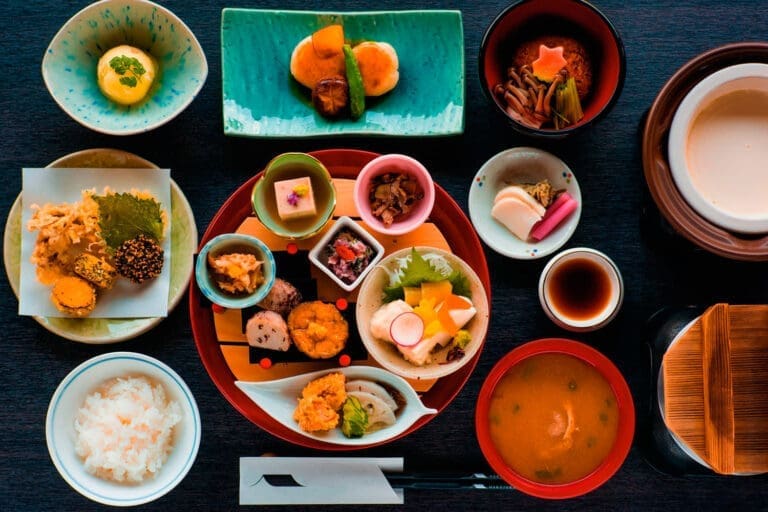
Curious about local favorites? Honke Owariya—Kyoto’s oldest soba shop—draws crowds with its handmade buckwheat noodles in a centuries-old setting. Meanwhile, Kamo Tofu Komachi specializes in Kamo-style tofu, a regional delicacy rich in umami, while Gion Tontei in the Gion district offers expertly grilled yakitori in a lively, traditional setting.
For those wanting a deeper dive into Japanese culinary arts, many studios offer hands-on matcha or wagashi making experiences. Studios like Kanshundo near Higashiyama provide guided sessions on crafting seasonal Japanese sweets, suitable for both adults and children (reservations are recommended, especially during weekends and the rainy season).
If you want an extra treat, stop by Nishiki Market—known as “Kyoto’s Kitchen”—to sample Japanese snacks, sushi, and more, all under one covered roof. The market is a feast for the senses and a popular rainy day destination for locals and tourists alike.
With so many indoor options, Kyoto’s food halls and markets make rainy days something to savor, not just survive.
Relax and Recharge in Kyoto’s Best Indoor Onsens and Spas
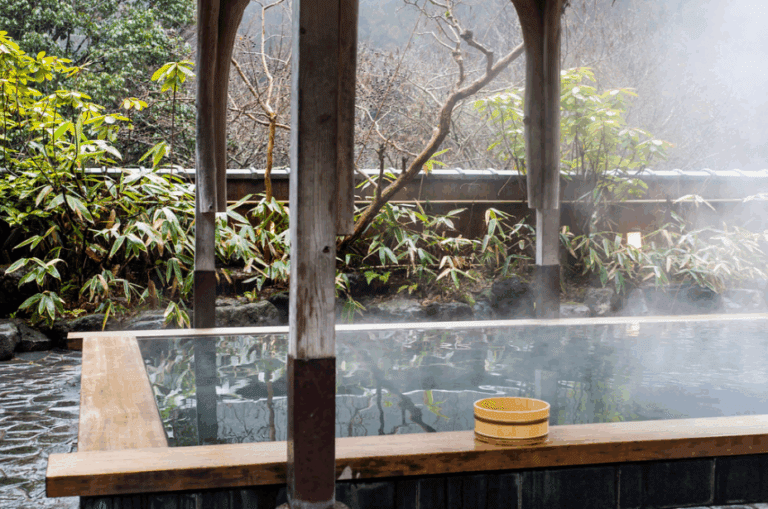
Kyoto’s classic rainy days invite you to slow down and unwind in one of the city’s serene indoor onsen or spa facilities. Soaking in a hot spring bath is more than just an escape from the wet weather—it’s a cherished part of Japanese culture, offering health benefits and a sense of deep relaxation.
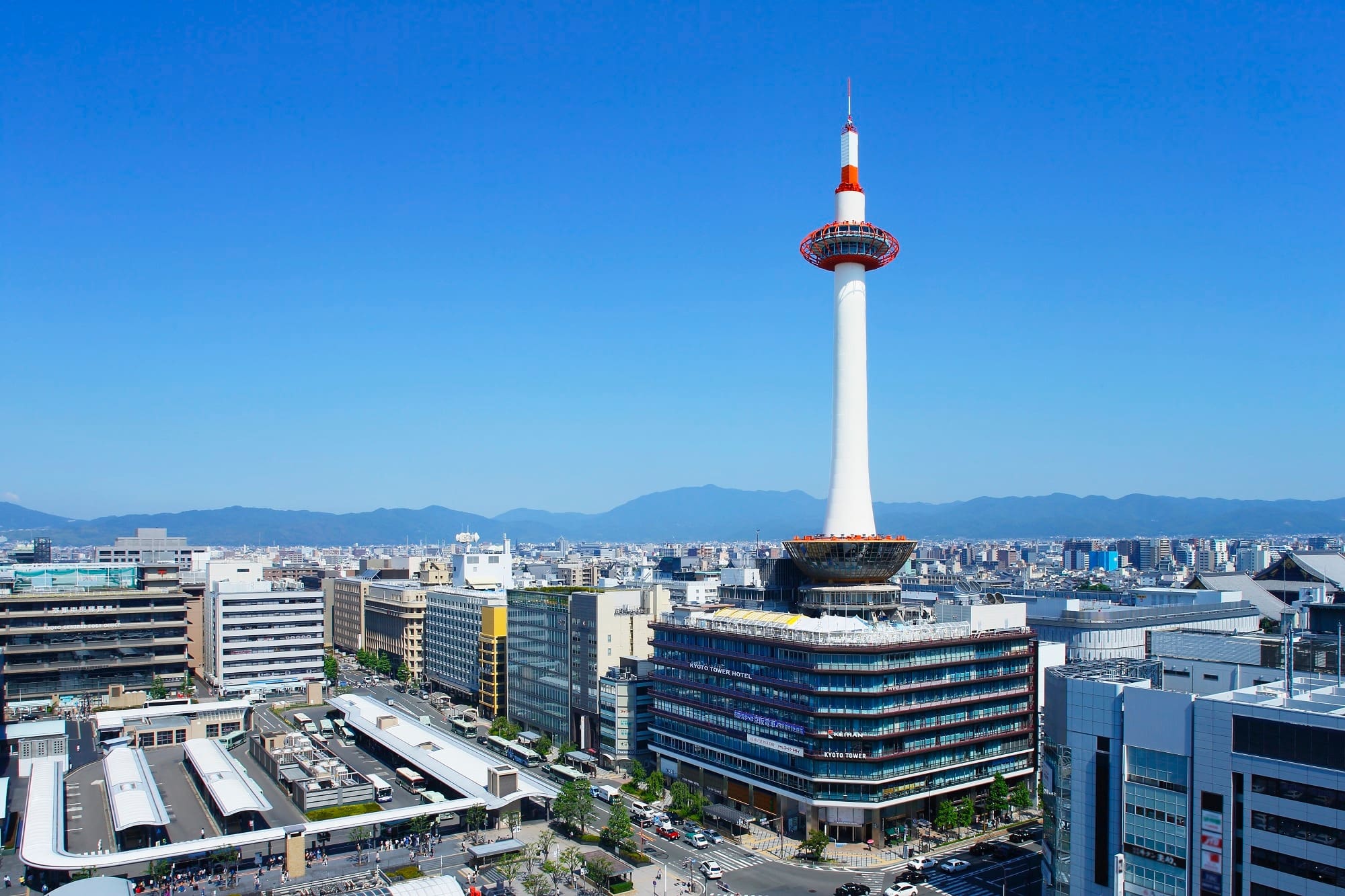
A top choice for travelers is Kyoto Tower Hotel Onsen, located just steps from Kyoto Station. This modern facility delivers city views, clean baths, and a full suite of amenities; typical admission ranges from 1,200–2,000 yen depending on the time of day, and it’s wise to reserve in advance during the rainy season, as weekends can get busy.
For a more traditional indoor bathing experience, Gion Sento Baths is beloved among locals and Kyoto residents. This public bathhouse near Hanamikoji offers classic tiled soaking pools and private changing areas, as well as a uniquely Kyoto atmosphere—with tickets usually around 500–800 yen. Accessibility is good, with staff often able to help English speakers navigate procedures.
Major hotels like Hotel Grand Bach take pampering a step further, with in-house spa services such as massages, facials, and aromatherapy—ideal for solo travelers, couples, or those with mobility needs. Facilities often include relaxation lounges and, in some cases, private family baths.
Cleanliness and ambiance are highly rated at Kyoto’s best onsens; reviewers frequently mention sparkling facilities, relaxing interiors, and welcoming staff. Whether you’re aiming for a quick recharge or a full afternoon of relaxation, Kyoto’s indoor spas deliver.
If you’re planning your own rainy day ritual, consider the Kyoto Tower Hotel Onsen for unbeatable convenience, or the Gion Sento Baths for a taste of Kyoto tradition. Both are fitting ways to beat the weather while experiencing a time-honored slice of Japanese life.
Enjoy Entertainment, Shopping, and Family Fun Indoors
Kyoto’s vibrant indoor entertainment and shopping scene offers exciting escapes for locals and tourists, especially during a rainy day or the humid rainy season.
Start with a stroll through Teramachi and Shinkyogoku—two lively, covered shopping arcades in central Kyoto. Here, you’ll find everything from quirky Japanese souvenirs and handwoven textiles to trendy fashion boutiques and street snacks. Both arcades are family-friendly, making them ideal for groups with kids or teens looking for keepsakes or delicious treats like fluffy taiyaki and matcha parfaits.
For an extra dose of fun, visit one of Kyoto’s ROUND1 complexes or entertainment arcades. These high-tech venues feature bowling, karaoke, arcade games, and purikura (Japanese photo booths). Entry is affordable, usually starting at around 600 yen per person for basic games, with package deals for multiple activities. Weekends can get crowded, so try visiting on a weekday to enjoy shorter wait times and a more relaxed vibe.
If you’re near Kyoto Station, explore the department stores and unique indoor spaces nearby. The station itself is an architectural marvel with a stunning sky garden on the rooftop, offering panoramic views of Kyoto—even on wet days through grand glass windows. Seasonal pop-up exhibitions and an impressive food court make Kyoto Station a destination in itself. Family travelers will appreciate the easy access to amenities, convenient rest spaces, and kid-friendly cafes.
Catch a show at Minamiza Theatre or ROHM Theatre Kyoto for a memorable cultural experience. Minamiza, one of Japan’s oldest kabuki stages, offers traditional performances with English audio guides available for select shows. ROHM Theatre brings a diverse lineup, including musicals, classical concerts, and local productions. Book tickets online in advance to secure the best seats—aisle and mid-row options provide the best views and comfort.
No matter which indoor attractions you choose, Kyoto’s entertainment and shopping venues guarantee engaging experiences for visitors of all ages, rain or shine.
Plan Your Perfect Indoor Kyoto Itinerary by Weather and Season
Crafting the ideal indoor itinerary in Kyoto depends not only on your interests but also the weather and time of year.
On a rainy day, combine immersive exhibits at the Kyoto National Museum with hands-on fun at the Kyoto Railway Museum. These impressive museums are easily accessible, offer shelter from the elements, and feature special seasonal exhibitions. You can follow a proven route with this Kyoto rainy day itinerary that highlights the best dry-day experiences, including cozy cafes and traditional shops.
During Kyoto’s hot, humid summers, step into the cool, air-conditioned comfort of the Kyoto International Manga Museum for its massive manga library and interactive workshops. Afterwards, enjoy an indoor culinary adventure at Nishiki Market, sampling Yatsuhashi sweets, assorted sushi, and fluffy Japanese omelets in climate-controlled stalls. Restaurants like Honke Owariya serve handmade soba noodles in pleasant indoor dining rooms, while family groups can find welcoming food courts at Aeon Mall Kyoto and Isetan in Kyoto Station.
If you’re looking for winter warmers, relax at Kyoto Tower Hotel Onsen or the Gion Sento Baths, followed by a traditional wagashi tasting at renowned sweet shops like Oimatsu or Saraku. Seasonal indoor illumination events at Kyoto City Kyocera Museum or theater performances at ROHM Theatre add festive sparkle. You’ll also find beautifully decorated museum galleries and calm, crowd-free temple halls during winter.
For families, Kyoto family indoor activities include manga drawing workshops, train simulators, and kimono experiences at the Nishijin Textile Center. Solo travelers might enjoy booking a refined tea ceremony or trying kintsugi in a peaceful studio, while couples can savor intimate multi-course kaiseki meals at indoor restaurants with scenic garden views.
When one indoor spot feels crowded or you crave variety, consider alternative nearby attractions: after the Kyoto National Museum, stroll to Sanjusangendo’s stunning Kannon statue hall; if Nishiki Market is packed, duck into the less-busy craft exhibits at the Kyoto Museum of Crafts and Design.
With flexible planning by weather and season, it’s easy to build a memorable—and dry—indoor Kyoto itinerary for any traveler.
Conclusion
Exploring Kyoto indoors opens up a world of culture, creativity, and comfort that rivals its famous outdoor sights. From hands-on tea ceremonies, pottery classes, and kimono experiences, to world-class museums, food halls, and tranquil onsens, Kyoto’s indoor attractions reveal the city’s heart in every season.
Whether you’re sheltering from rain, escaping the heat, or seeking a unique cultural immersion, there are endless options tailored to solo travelers, families, and couples alike. Plan ahead, make your reservations where needed, and allow yourself to discover a deeper layer of Kyoto—one rich in tradition, taste, and artistry.
FAQs
1. What indoor activities are best for families with children in Kyoto?
Kyoto has plenty of family-friendly indoor options. The Kyoto Railway Museum offers interactive train exhibits and simulators that kids love. The Kyoto International Manga Museum hosts hands-on drawing workshops and has spacious reading areas. Many food halls and malls, like those at Kyoto Station or Aeon Mall Kyoto, have child-friendly facilities and a variety of casual dining choices. For something creative, try pottery workshops or craft studios with age-appropriate projects.
2. Should I book indoor experiences like tea ceremonies or workshops in advance?
Yes, booking ahead is highly recommended for popular activities like tea ceremonies, cooking classes, and dress-up experiences. Many workshops—such as Kiyomizu-yaki pottery making, kimono rental, or incense creation—have limited spaces and set times, especially during peak seasons. Making reservations ensures you get your preferred time slot, English-language support, and a more personalized experience.
3. Are Kyoto’s indoor attractions accessible for people with mobility needs?
Most major museums, shopping centers, food halls, and some onsen/spa facilities in Kyoto offer wheelchair access and elevators. Historic locations and traditional buildings may be less accessible, but modern sites like the Kyoto Railway Museum, Kyoto Tower, and many department stores have barrier-free facilities. It’s a good idea to check each venue’s accessibility details online or inquire in advance to plan your visit smoothly.
4. What indoor Kyoto attractions are ideal during rain or extreme weather?
On rainy or hot days, you can enjoy Kyoto’s comprehensive indoor scene. Museums like the Kyoto National Museum or Manga Museum, covered shopping arcades such as Teramachi, indoor food markets, and luxurious onsens provide great shelter. Consider planning a rainy-day itinerary featuring cultural workshops, local gourmet experiences, and indoor family activities—you’ll discover Kyoto’s charm whatever the forecast.
5. Are English-language tours or guides available at most indoor sites?
Many major attractions, such as the Kyoto Samurai & Ninja Museum, major museums, and larger cultural centers, offer English-language tours, audio guides, or helpful signage. Workshops and cultural experiences in tourist areas often have staff who can communicate in English, though it’s best to confirm when booking. Small local venues might have basic English support, but the experience is still welcoming and enjoyable for international visitors.