Contents
- 1 Discover Osaka’s Must-See Tourist Attractions
- 2 Explore Osaka’s Lively Neighborhoods and Nightlife
- 3 Discover Osaka’s Art, Museums, and Spiritual Sites
- 4 Shop and Unwind: Where to Relax and Indulge
- 5 Plan Excursions and Day Trips from Osaka
- 6 Navigate Osaka: Transportation, Accommodations, and Local Tips
- 7 Conclusion
- 8 FAQs
- 8.1 1. What are the top attractions in Osaka that shouldn’t be missed?
- 8.2 2. What’s the best way to get around Osaka as a tourist?
- 8.3 3. When is the best time to visit Osaka’s attractions?
- 8.4 4. What food should I try while visiting, and where can I find it?
- 8.5 5. Are there good day trips from Osaka, and how do I plan one?
Think you know what makes Osaka tick? Beyond the neon glow of Dotonbori and the legendary street eats, this city is packed with treasures both iconic and unexpected—if you know where to look. From famous landmarks to quiet local gems, there is always something new to find.
Whether you’re dreaming of cherry blossoms at Osaka Castle, chasing quirky shrines in narrow alleys, or zooming from sky-high observatories to bustling markets, Osaka has something special in every corner.
But with so much to explore, even the most enthusiastic traveler can feel overwhelmed by choices, hidden gems, and the city’s energetic pace.
This guide helps you focus on the must-see landmarks, local favorites, great food stops, and smart tips so you can enjoy the real spirit of Osaka.
Stay with us to uncover where to wander, what to savor, and how to make your time in Japan’s friendliest city unforgettable.
Discover Osaka’s Must-See Tourist Attractions
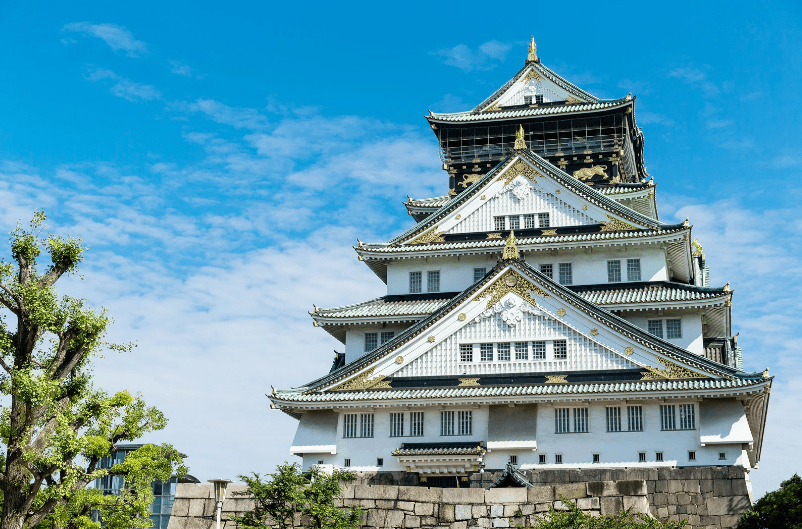
No visit to Osaka is complete without exploring the iconic Osaka Tourist Attractions, especially Osaka Castle. Built by warlord Toyotomi Hideyoshi in the late 16th century, this historic landmark once played a pivotal role in Japan’s unification.
Both Osaka Castle and Shitenno-ji are must-visit Osaka Tourist Attractions that exemplify how the city preserves its historical sites while embracing contemporary life.
When you visit Osaka, make sure to check out the Tsutenkaku Tower, one of the iconic Osaka Tourist Attractions that rises above the retro Shinsekai district.
The Tempozan Ferris Wheel offers breathtaking views of Osaka Bay and is a fantastic addition to your travel tips for the city, especially for those seeking panoramic views. Osaka Castle complex showcases beautiful Japanese castle architecture, surrounded by massive stone walls and moats. Inside, the Osaka Castle Museum brings to life the city’s feudal past through impressive artifacts, samurai armor, and interactive exhibits.
Spring transforms the adjacent Osaka Castle Park into one of the best spots in the city for cherry blossoms—thousands of sakura trees envelop the castle in delicate pink petals, creating a picture-perfect scene that attracts locals and tourists alike. For stunning photographs, head to the Nishinomaru Garden at sunset or visit during autumn to catch the fiery red maple leaves.
Beyond the famous attractions, Osaka hides quirky treasures like Namba Yasaka Shrine, another of the unique Osaka Tourist Attractions that sports a massive lion head-shaped stage.
Spiritual seekers will appreciate Shitenno-ji Temple, the oldest in Japan, founded in 593. Its five-story pagoda stands as a testament to ancient traditions, and the temple grounds often host lively festivals and flea markets, making it a must-see among Osaka attractions.
Arrive early in the morning for a peaceful stroll or visit in April for the annual Shoryoe Buddhist memorial ceremony. Both Osaka Castle and Shitenno-ji are perfect examples of how the city preserves its historical sites while embracing contemporary life, making them essential stops on your Osaka travel itinerary.
In the heart of Osaka, major Osaka Tourist Attractions like Universal Studios Japan provide exciting experiences for families and thrill-seekers alike, perfect for anyone looking to explore the city.
Over in the retro Shinsekai district, the Tsutenkaku Tower rises above shops and bustling streets. Built in 1912, this beloved symbol of Osaka was modeled in part after the Eiffel Tower and remains a favorite photo opportunity, especially when illuminated at night. Climb to the observation deck for panoramic views of the Osaka cityscape and Tennoji Park below—a popular spot with families and nostalgic locals.
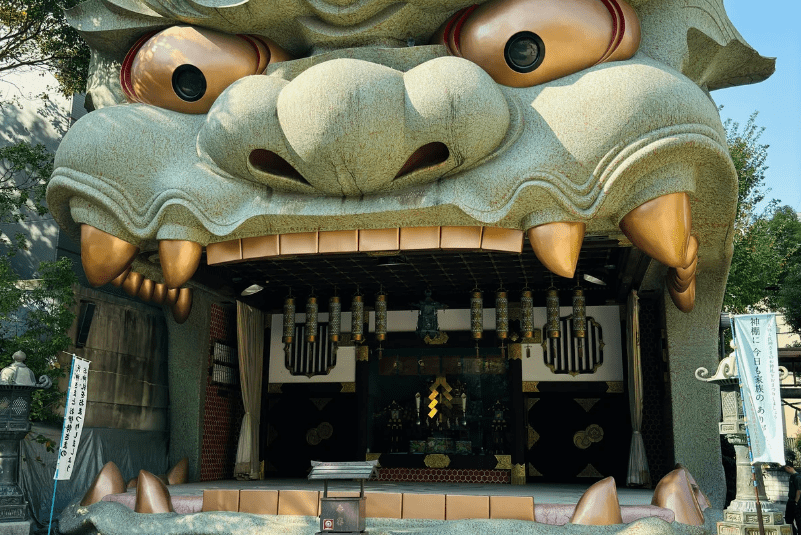
Beyond the famous attractions, Osaka hides quirky treasures like Namba Yasaka Shrine. Distinct for its massive lion head-shaped stage, this unique Shinto shrine is believed to swallow evil spirits and bring good fortune to visitors. Nearby, the bohemian neighborhood America Mura (Amemura) buzzes with street art, vintage shops, indie music, and creative cafes—a magnet for trendsetters and anime enthusiasts looking for unique experiences in Osaka.
Osaka’s top attractions shine year-round. From cherry blossoms at Osaka Castle Park in spring to colorful autumn foliage at Expo ‘70 Park, every season brings its own charm, making it one of the best places to explore the city. Each season brings a new reason to visit.
Explore Osaka’s Lively Neighborhoods and Nightlife
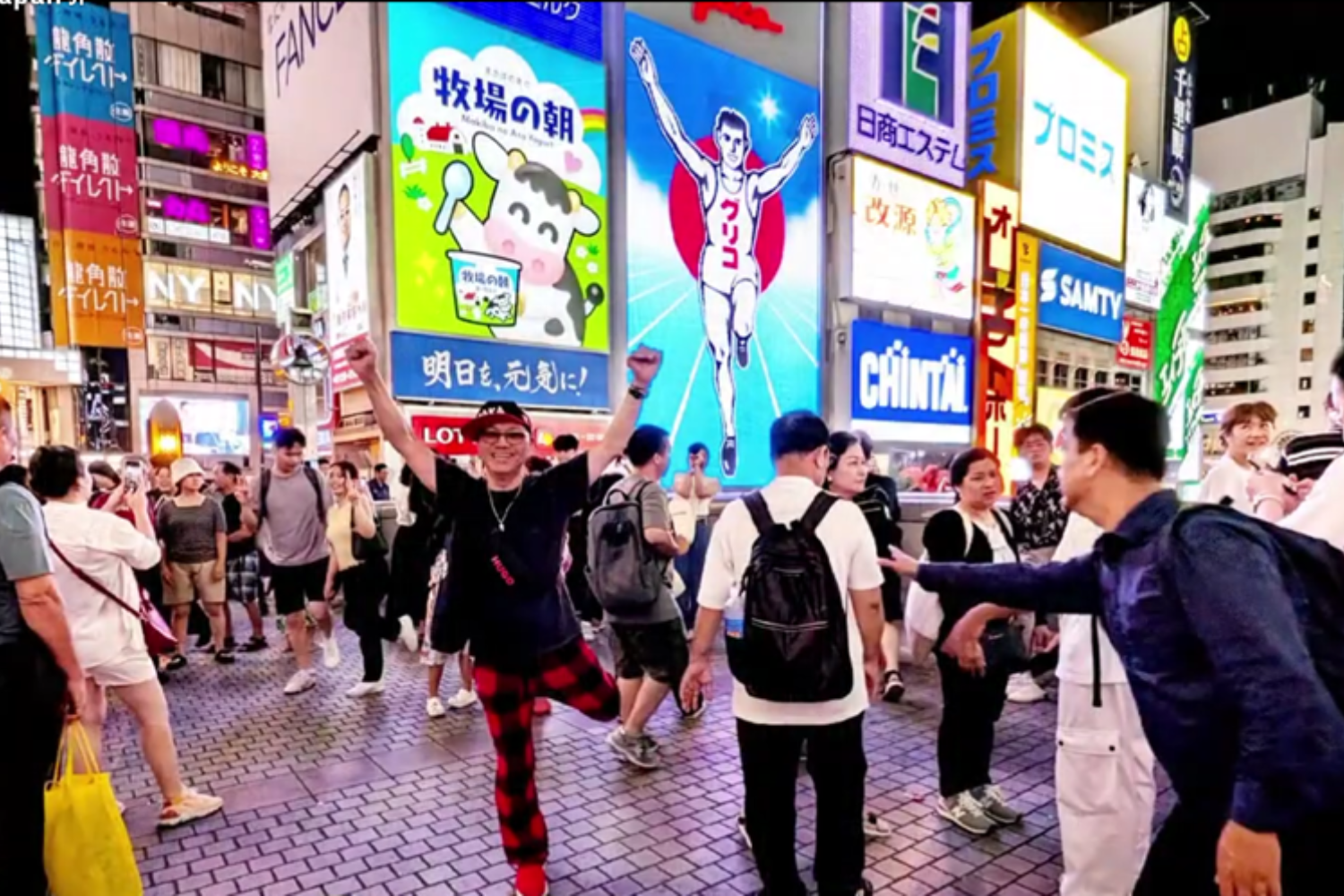
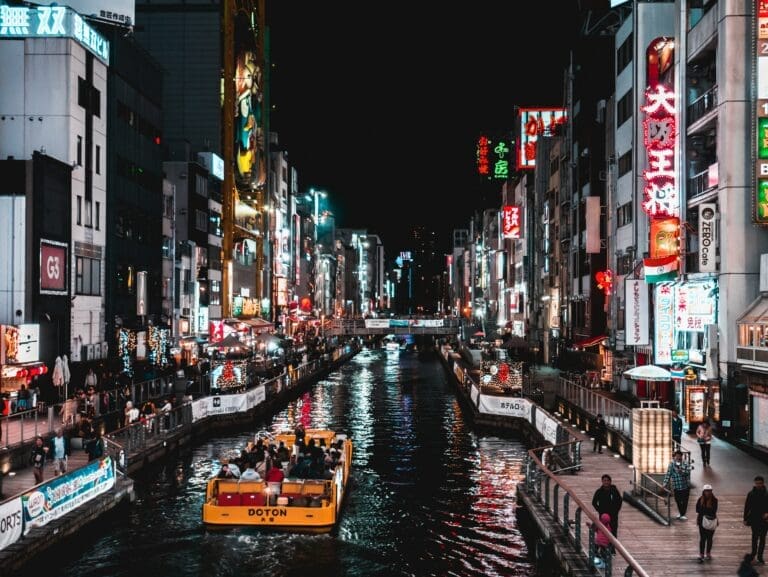
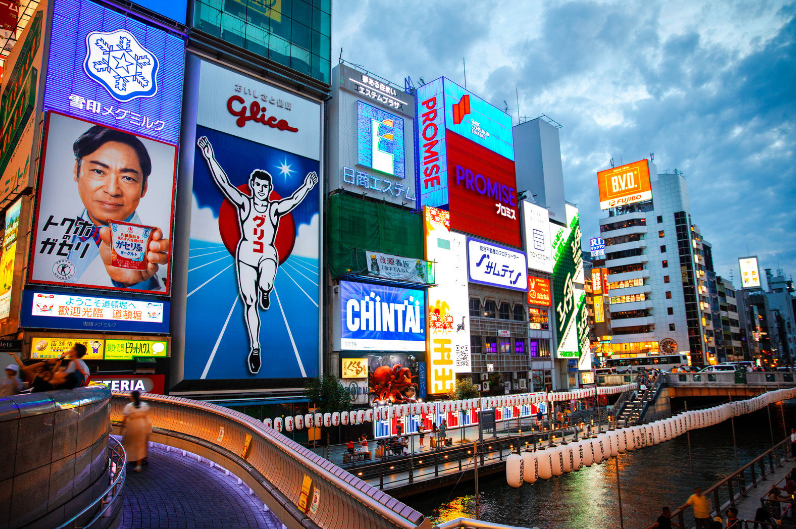
Osaka’s neighborhoods are as diverse as its people, each offering a distinctive flavor of city life and nightlife worth exploring. The heart of Osaka’s entertainment scene is Dotonbori—radiant with neon lights, massive animated billboards, and the reflection of color in its famous canal.
After sunset, Dotonbori transforms into a bustling hub where street performers draw crowds, and the aroma of yakisoba and takoyaki fills the air. The legendary Glico running man sign is a must for your “Osaka at night” photo collection, a true landmark in Osaka.
For a deeper dive, stroll along Hozenji Yokocho alley where centuries-old lanterns and hidden izakayas invite you to sample real Osaka food in a truly atmospheric setting. Families will find street food stalls and themed arcades, while adults can hop between cozy bars or vibrant karaoke lounges.
Just south of Dotonbori lies the energetic Namba area, known for its suji shopping streets, top places for quirky cafes, and quick access to the Namba Yasaka Jinja. Namba is a favorite itinerary stop for both fashionistas and foodies seeking out classic local delicacies. Nearby, America Mura pulses with youthful energy, urban art murals, pop-up boutiques, and Japanese anime fandom. You’ll find plenty of street-style inspiration, from iconic manga-themed thrift shops to limited-edition sneaker outlets.
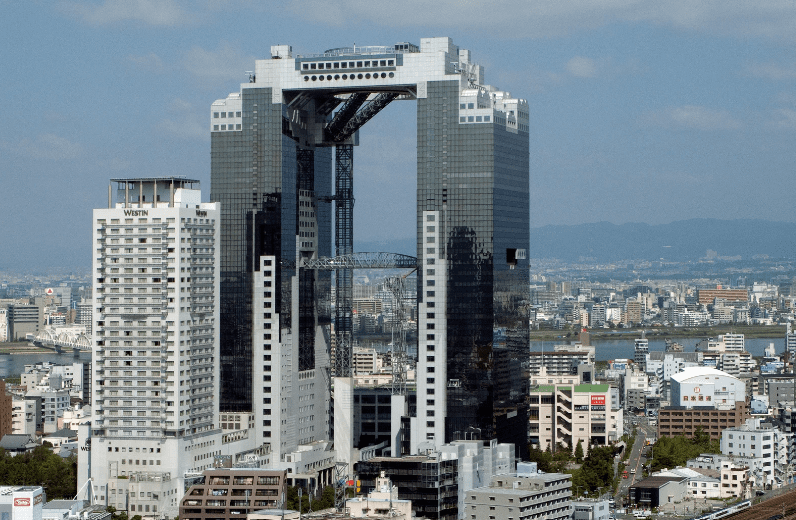
Umeda in northern Osaka offers a more modern city feel, where towering skyscrapers like the iconic Umeda Sky Building punctuate the skyline. The area is famous for its large shopping malls, the major railway hub at Osaka Station, and panoramic city views—perfect if you want to unwind at a swanky rooftop bar after a day of sightseeing.
For a taste of old-school Osaka, head to Shinsekai, a district built in the early 20th century with chopstick-thick nostalgia. Standing at its center is the Tsutenkaku Tower, surrounded by classic kushikatsu (fried skewers) restaurants, retro game parlors, and old-timey coffee shops. Evening in Shinsekai feels like stepping into a cinematic slice of the past, accented by neon-lit alleyways and the lively local spirit of Osakans, making it one of the different areas of Osaka to explore.
Whether you’re seeking family-friendly fun or after-dark excitement, Osaka’s districts offer something for everyone. From late-night eats in Dotonbori to vintage finds in America Mura and storybook strolls through Shinsekai, these areas pulse with Osaka’s real character—a city where every night brings discoveries.
Savor Osaka’s Culinary Scene: From Street Eats to Fine Dining
Osaka has earned its nickname, the “Kitchen of Japan,” thanks to a centuries-old obsession with food that still flavors daily life across the city. When you visit Osaka, sampling the region’s iconic street eats is practically a rite of passage.
Takoyaki—octopus-stuffed batter balls crisped on a griddle—are sold at bustling stands on nearly every corner in the Dotonbori and Shinsekai districts. Don’t miss the original Aizuya near Tamade, credited as the birthplace of takoyaki in the 1930s.
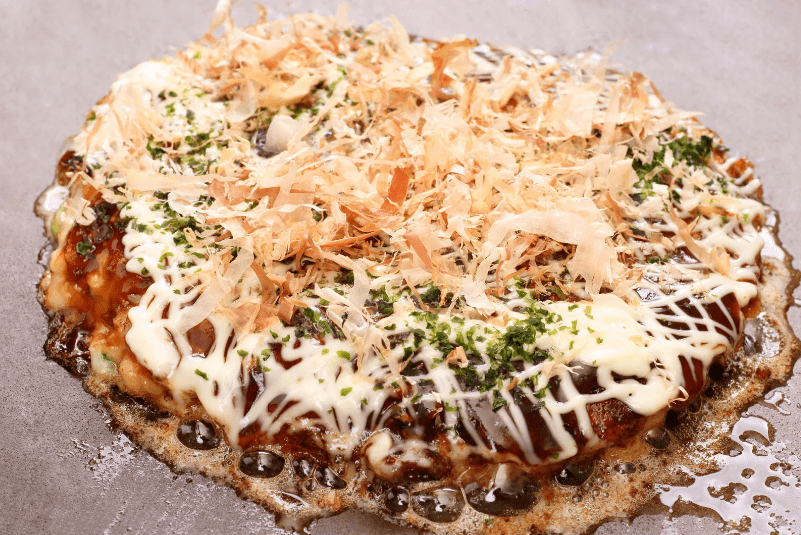
Okonomiyaki, a savory pancake loaded with cabbage, pork, and local toppings, is equally synonymous with Osaka. Try Mizuno in the busy Dotonbori area, a favorite that frequently draws lines of hungry visitors and locals alike.
Kushikatsu—battered, deep-fried skewers of everything from shrimp to lotus root—can be best experienced at Daruma in the Shinsekai district. Just remember the local etiquette: never double-dip your skewer into the communal sauce!
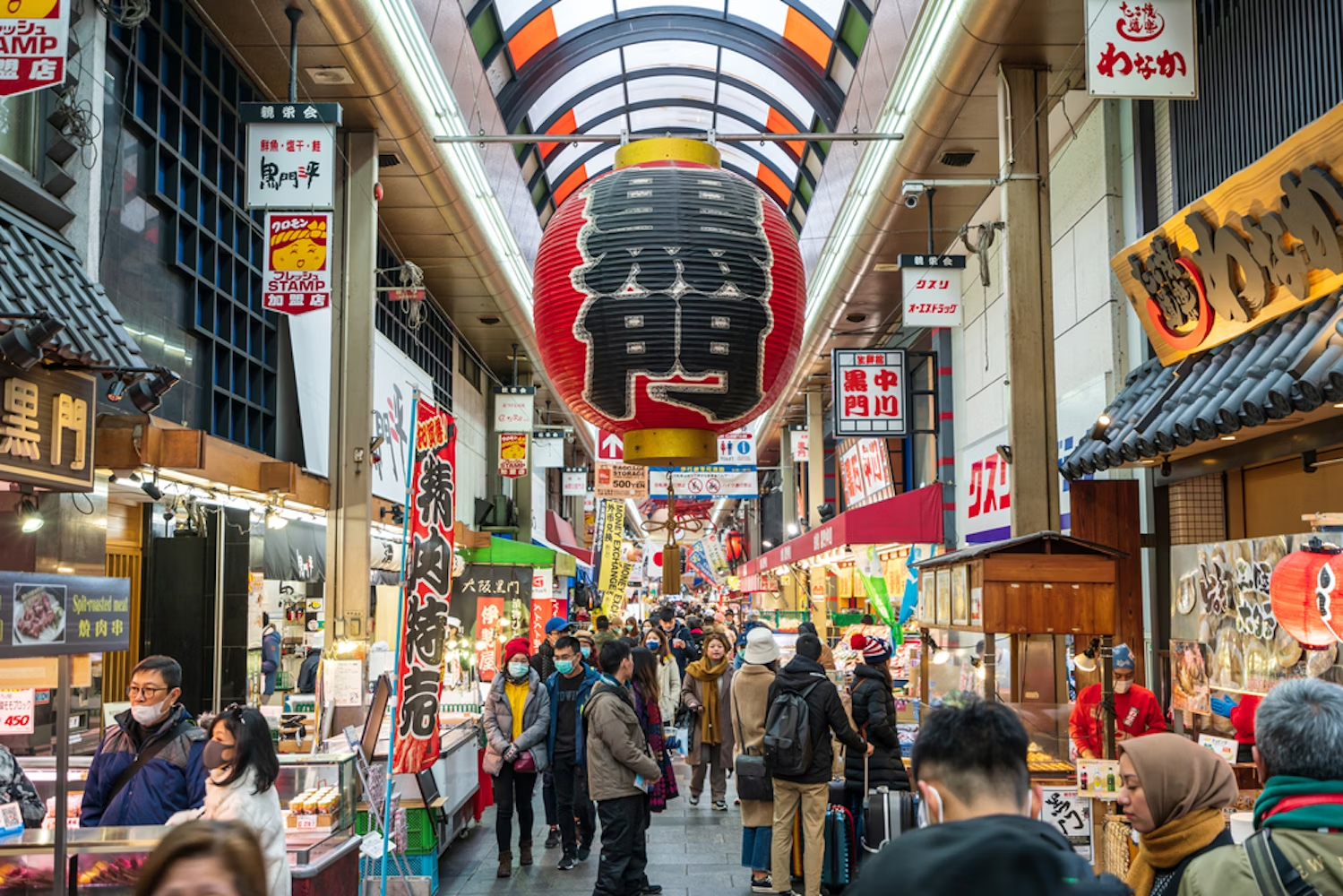
For deeper immersion in Osaka’s food scene, a stroll through Kuromon Ichiba Market is a must for anyone planning a trip to Japan. This lively market, a stone’s throw from Nipponbashi, has been a top destination for fresh seafood, fruits, and snacks for over a century. Sample grilled crab legs, sea urchin, and fruit-topped mochi, or simply soak up the sights and smells of Osaka’s daily culinary rhythm.
For city views, visit Harukas 300 at the top of Japan’s tallest skyscraper.
If you’re planning to explore Osaka through its food scene, it helps to mix iconic spots with niche finds. For a deeper dive into local dining, check out 20 Unforgettable Osaka Restaurants, where you’ll discover everything from casual izakayas to memorable fine dining experiences. Travelers with dietary needs can still enjoy the city’s flavors by browsing the Ultimate Osaka Gluten-Free Guide, packed with safe dining tips and trusted eateries. And when you need a relaxing break between sightseeing stops, Best Coffee in Osaka: Top Cafes Revealed highlights cozy cafés and specialty coffee spots perfect for slowing down and soaking up Osaka’s laid-back charm.
Food tour also opens doors to dishes that many travelers never discover. Think fluffy okonomiyaki cooked right in front of you, street-style takoyaki from family-run stands, or fresh sashimi served in a standing bar buzzing with conversation. The guide translates not just the language but the dining culture—how to order, how to toast, and even which condiments locals prefer.
Osaka’s history as an economic powerhouse has always revolved around food, from the bustling Dotonbori canal-side market days to today’s endless sea of restaurants and food stalls, making it one of the top things to do on your trip to Osaka. For more on how this heritage shaped the city’s world-famous cuisine, discover the full story behind the Kitchen of Japan.
Experience Family-Friendly and Thrilling Attractions
Osaka isn’t just about nightlife and street food—it’s also one of Japan’s top cities for family-friendly fun and heart-pounding attractions. Universal Studios Japan tops the list for most visitors, offering world-class rides, movie-themed zones, and live shows year-round. To make the most of your visit, buy Universal Studios Japan tickets in advance online, arrive early to beat the crowds, and don’t miss seasonal events like Halloween Horror Nights or the Guinness-certified Christmas tree.
For unbeatable city views, head to Abeno Harukas, where you can enjoy panoramic views of the city from the observation deck. Harukas 300 is atop Japan’s tallest skyscraper. The 360-degree observatory provides panoramic vistas over Osaka city, including the nearby Tennoji Park and even as far as Kyoto on clear days. Go just before sunset for magical golden-hour photos and stay to watch the city lights come alive.
Younger travelers—or those young at heart—will love Osaka’s super onsen complexes like Spa World, where themed bath areas and water slides keep everyone entertained. Themed amusement centers such as Round1 Stadium or Sega Game Centers, especially around Umeda and Shinsaibashi, blend arcade games, bowling, and karaoke under one roof.
Nature also plays a starring role in Osaka’s urban tapestry. The Osaka Aquarium Kaiyukan is one of the world’s largest, with mesmerizing exhibits like the central Pacific Ocean tank featuring whale sharks, making it a must-see attraction for marine life enthusiasts. Expo ‘70 Park is a sprawling green escape on the city’s northern edge, popular for springtime cherry blossoms and family picnics alike, adding to the list of enjoyable things to do in Osaka.
For itinerary inspiration, families might plan one day at Universal Studios Japan, another exploring the thrills at Harukas 300 and Tennoji Park’s zoo, and a half day unwinding at the aquarium or a botanical garden. Solo visitors often combine sky-high city views with relaxation at an onsen or a detour into quirky themed cafés in Namba.
These experiences show why Osaka stands out on any Japan trip.
Discover Osaka’s Art, Museums, and Spiritual Sites
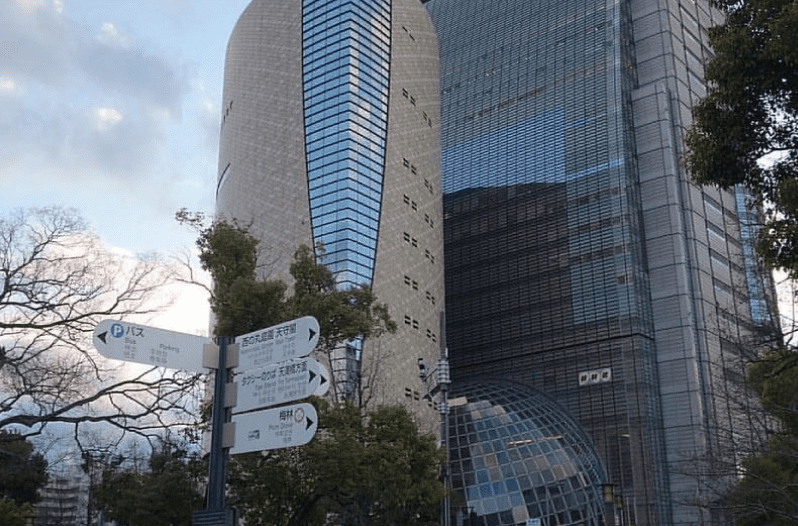
Osaka is a treasure trove for art lovers, history buffs, and those seeking serene spiritual experiences, with plenty of things to do in Osaka to satisfy every interest on your trip to Japan. Begin your cultural adventure at the cutting-edge Nakanoshima Museum of Art, a dynamic space showcasing both Japanese and global contemporary art within the heart of the city’s Nakanoshima area. Inside, you’ll encounter striking collections that span from early 20th-century masters to avant-garde Osaka artists like Shizuko Yoshikawa—whose works bridge postwar Japan with modern sensibilities, reflecting the diverse experience in Osaka.
For travelers drawn to historical sites, Shitenno-ji Temple stands out as one of the most significant Buddhist temples in the country, a highlight among the many things to do in Osaka. Founded in 593 by Prince Shotoku, Shitenno-ji hosts annual rituals and vibrant markets, making it a living piece of Japan’s spiritual tradition. Time your visit for the grand Doya-Doya Festival in January, or simply enjoy the tranquil temple garden and iconic five-story pagoda.
Osaka city’s passion for its past continues at the Osaka Museum of History, where interactive exhibits and panoramic windows frame views of the adjacent Osaka Castle—a juxtaposition of old and new. Families and curious tourists will also find quirky museums dotted throughout the metropolis, like the Japan Folk Crafts Museum, dedicated to everyday artistry, and smaller niche spots that explore everything from cup noodles to manga.
If you’re interested in hands-on cultural experiences, head to local temples in Japan, where you can immerse yourself in traditional practices and architecture. For a hands-on culture, join a tea experience at Wad Café. This modern spot guides guests through centuries-old etiquette, inviting them to savor Japanese tea and sweets in a contemporary, welcoming setting.
Shop and Unwind: Where to Relax and Indulge
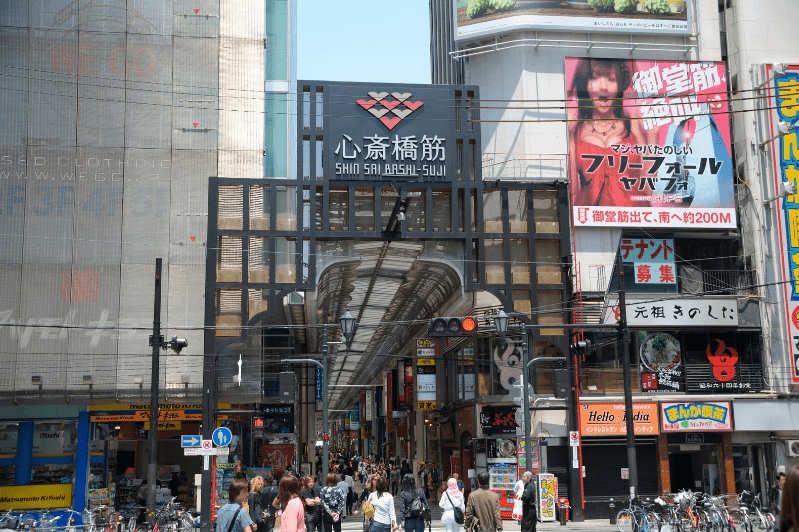
Osaka is also a top shopping city. Shinsaibashi Shopping Street is a long arcade filled with global brands and local shops, filled with global brands, local designers, and quirky specialty shops, making it one of the top things to experience on your trip to Osaka.
Stroll to the nearby Namba area, where the bustling streets are lined with department stores and hidden boutiques, or pop into America Mura, known for its youth culture, vintage treasures, and colorful urban art.
The Umeda area, anchored by major railway hubs like Hankyu Umeda Station, offers access to some of Osaka’s largest malls and trendy high-end stores. If you’re searching for unique gifts or edible souvenirs like high-quality matcha sweets and local snacks, venture through the underground shopping labyrinths linked to Osaka Station, which house everything from luxury brands to traditional crafts.
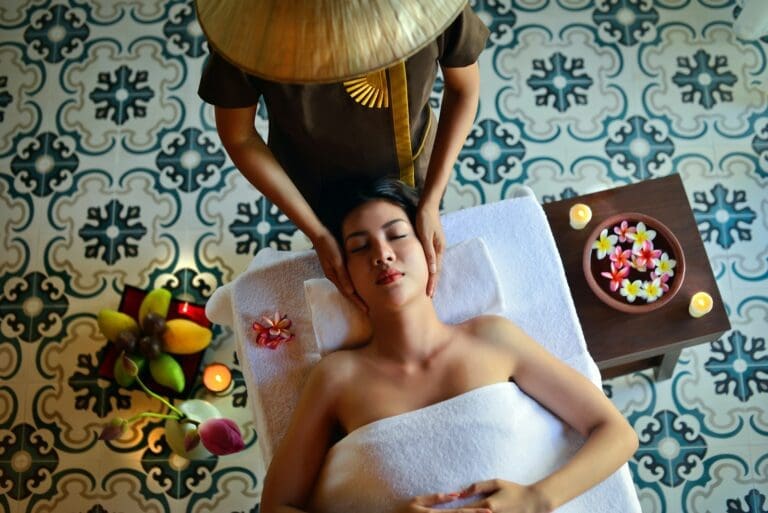
Seeking a break from the city’s buzz? Indulge in relaxation at Spa World, Osaka’s legendary onsen complex. Here, visitors can enjoy a variety of themed hot spring baths inspired by Japan and global destinations, as well as spa treatments, pools, and wellness zones—a favorite spot for both locals and curious tourists alike.
When souvenir shopping, don’t forget that many department stores and electronics retailers offer tax-free shopping for non-residents—simply show your passport at checkout. Consider picking up specialty items like Japanese skincare, Osaka-themed snacks, or traditional crafts to round out your trip.
Whether your Osaka itinerary centers on retail therapy or soaking in steamy bath areas, the city ensures every traveler has a satisfying way to unwind and indulge.
How long should you visit Osaka? To truly appreciate the range of Osaka Tourist Attractions, first-timers often find that two to four nights is the sweet spot.
Plan Excursions and Day Trips from Osaka
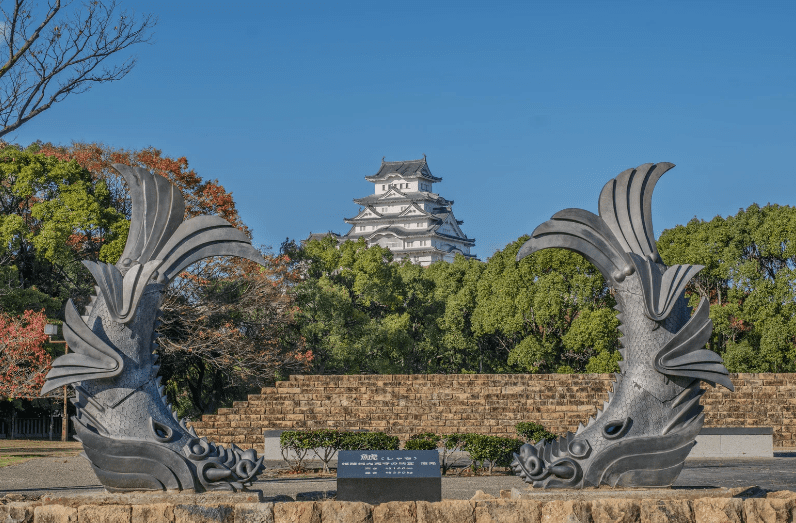
One of the best things about staying in Osaka City is its proximity to some of Japan’s most remarkable neighboring destinations in the Kansai region. Within an hour by train, you can reach UNESCO-listed temples in Kyoto, interact with the gentle deer of Nara Park, or marvel at the imposing white walls of Himeji Castle—three classic day trips that add depth to your Japan trip.
Kyoto is renowned for its historic temples and vibrant geisha districts, but a trip to Osaka offers a different cultural experience. A Kyoto day trip itinerary might include Kiyomizu-dera, the golden Kinkaku-ji, and the scenic pathways of Arashiyama Bamboo Grove. Travelers who prefer a smoother experience often opt for the Kyoto Private Tour from Osaka, which combines major highlights with local insights while removing the hassle of navigating busy transport routes.
From Osaka Station, it’s just about 30 minutes on a limited express or shinkansen. IC cards make transferring across city railways seamless, and the trains in Osaka are efficient for getting around. Japan Rail Pass (Kansai Area) offers excellent value if you plan to hop between several cities.
A visit to Nara allows travelers to see Todai-ji Temple’s massive bronze Buddha and enjoy encounters with roaming deer in Nara Park. Quick access via the JR Yamatoji Line or Kintetsu Nara Line puts this ancient capital just 45 minutes from central Namba or Osaka Station, making it an easy day trip for those exploring Osaka attractions. For a more relaxed and insightful visit, many visitors choose the Private Nara Day Tour from Osaka, where transportation, local guidance, and flexible pacing help you fully enjoy Nara’s cultural charm.
Himeji Castle—often called Japan’s most beautiful surviving samurai-era castle—can be reached in less than an hour by shinkansen. Climbing its original turrets and strolling the adjacent gardens offer a glimpse into samurai history beyond Osaka’s city limits.
For interactive transit maps, helpful traveler resources, and updated schedules, make sure to check the Osaka Tourist Attractions highlighted on the Osaka Metro official site as you plan your Osaka itinerary.
Kobe, with its cosmopolitan harbor, mountain views, and famous wagyu beef, offers a refreshing urban change for a half-day trip, making it one of the must-see attractions near Osaka. Local trains like the JR Special Rapid Service make it a breeze to access from the Umeda area or Osaka Station.
For those keen to avoid guesswork, guided tours departing from Osaka are widely available. These often include English-speaking guides, reserved entrance tickets, and curated cultural experiences—ideal for first-time visitors or anyone wanting a deeper context during their trip to Japan.

Getting around Osaka can seem daunting in such a busy metropolis, but the city’s transportation system is impressively efficient and user-friendly—even for non-Japanese speakers. The Osaka Metro is the city’s backbone, connecting key areas like Namba, Umeda, Shin-Osaka Station, and Tennoji Park, making travel tips essential for navigating popular attractions. Single-ride tickets are easy to buy, but using rechargeable IC cards like ICOCA or Suica streamlines transfers between trains in Osaka, metro lines, JR trains, and buses. If you’re unsure which transport pass suits your itinerary best, the 5 Osaka Transport Pass Guide offers a helpful breakdown of options, savings tips, and practical advice for stress-free travel.
Travelers venturing beyond the typical tourist itinerary may also hop on local Hankyu or Nankai railway lines, which connect Osaka to surrounding prefectures, top attractions, and even Kansai International Airport. Most signs and station announcements come in English, but mobile apps like Google Maps prove invaluable for route planning. If you prefer simplicity, tourist passes such as the Osaka Amazing Pass or Japan Rail Pass can save both yen and guesswork, especially on busy days full of sightseeing at popular attractions in the city of Osaka.
Accommodation in Osaka covers all budgets and styles. Luxury travelers often choose hotels in the Umeda area or near Osaka Castle for their city views and convenient access to major attractions. Boutique options and affordable hostels can be found near the lively Namba city center or close to JR Fukushima Station, perfect for exploring food alleys and quirky museums, making it a great base for your Osaka travel adventures.
A few local tips:
- Be mindful of etiquette: queue politely, keep voices low on public transport, and carry yen for places that don’t take cards.
- Osaka is one of Japan’s safest major cities, but stay alert and watch your belongings in crowded areas.
- Visit in spring for cherry blossoms or autumn for colorful foliage—top spots include Osaka Mint and Nishinomaru Garden. Book hotels and train seats early during these seasons.
- The city is accessible, with elevators and ramps at major stations and barrier-free attractions like the Osaka Aquarium and the Harukas 300.
- For transit maps, travel guides, and updated schedules, check the Osaka Metro official site when planning your Osaka itinerary.
For more off-beat spots and hidden gems in Osaka, see our dedicated guide
Conclusion
Osaka is a city where centuries-old temples stand shoulder to shoulder with daring modern towers, pulsating nightlife, and mouthwatering street food. Start planning your adventure through the many Osaka Tourist Attractions, including a visit to Universal Studios Japan, to unlock its many layers—you’ll discover that every corner holds a new story waiting to be explored.
Whether you’re traveling with family, exploring solo, or planning day trips across Kansai, Osaka welcomes visitors with endless excitement, flavors, and warm hospitality.
Start planning your adventure to unlock its many layers—you’ll discover that every corner holds a new story waiting to be explored, including the famous Sumiyoshi Taisha shrine.
FAQs
1. What are the top attractions in Osaka that shouldn’t be missed?
Don’t leave Osaka without visiting Osaka Castle, Dotonbori’s lively streets, and Universal Studios Japan.
For panoramic views, try Harukas 300 or the Umeda Sky Building.
Families will love the Osaka Aquarium Kaiyukan and Tennoji Park, while culture-seekers should see Shitenno-ji Temple and explore Nakanoshima’s art museums.
2. What’s the best way to get around Osaka as a tourist?
The Osaka Metro and JR rail lines are efficient and easy to use, even for first-time visitors.
Purchase an ICOCA or other IC card for seamless rides on subways, trains, and buses.
Most signs have English translations, and station staff are generally helpful—download a transit app or map to make navigation even smoother.
3. When is the best time to visit Osaka’s attractions?
Spring (March to May) and autumn (October to November) offer pleasant weather and seasonal highlights like cherry blossoms at Osaka Castle Park and fall foliage in city gardens.
Summer is great for festivals and lively nightlife, while winter often means fewer crowds at major spots—just check opening hours and event schedules before you go.
4. What food should I try while visiting, and where can I find it?
Try takoyaki (octopus balls), okonomiyaki (savory pancakes), and kushikatsu (fried skewers)—Dotonbori and Kuromon Ichiba Market are famous for authentic street eats.
For more upscale dining, explore Umeda or Namba’s izakayas and themed restaurants.
Don’t be shy about joining a food tour to discover hidden local gems!
5. Are there good day trips from Osaka, and how do I plan one?
Absolutely—Kyoto’s temples, Nara’s friendly deer, Himeji Castle, and Kobe’s harbor are all easy day trips by train from Osaka.
Consider getting a Kansai Area rail pass for convenience and savings.
Many tours are available if you prefer a guided experience, but independent travel is straightforward thanks to Osaka’s excellent train network.