Kyoto tourist attractions are the heart of any trip to Japan.
This travel guide welcomes you to Kyoto with the friendly, local expert energy. We will highlight temples and shrines, the top things to do in Kyoto, and the best places around Kyoto for an unforgettable walking tour. Expect practical travel tips, ideas for an authentic private tour, and a flexible itinerary. Discover more of the true essence of Kansai as we explore Kyoto Station hubs, world heritage icons, and beautiful places you will love.
Introduction to Kyoto
Kyoto is the cultural soul of Japan and a dream for curious travelers. The city of Kyoto blends traditional Japanese charm with modern ease. You can visit Kyoto for serene zen gardens, a bamboo grove, and lively food streets. Our Kyoto guide shares points of interest and popular attractions near Kyoto Station. We help with getting to Kyoto from Tokyo or Osaka. Use this section to plan a smooth visit to Kyoto, choose where to stay in Kyoto, and map a perfect time in Kyoto.
Overview of Kyoto’s Historical Significance
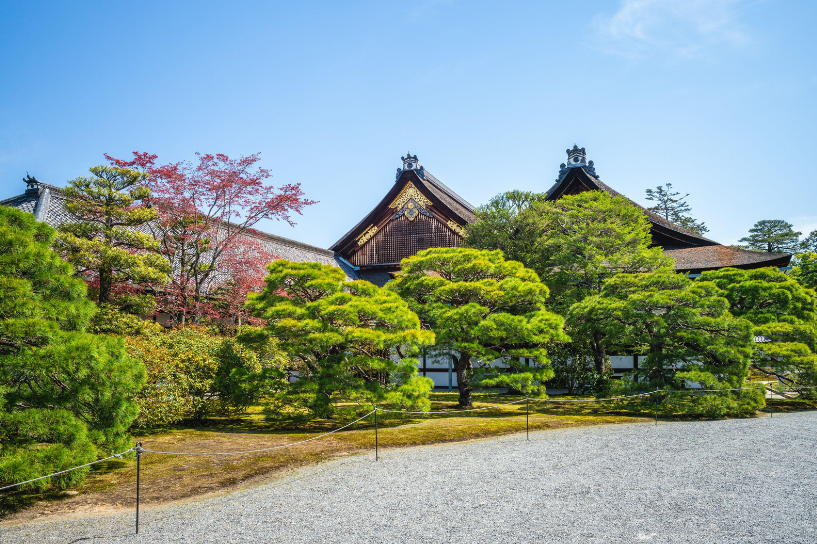
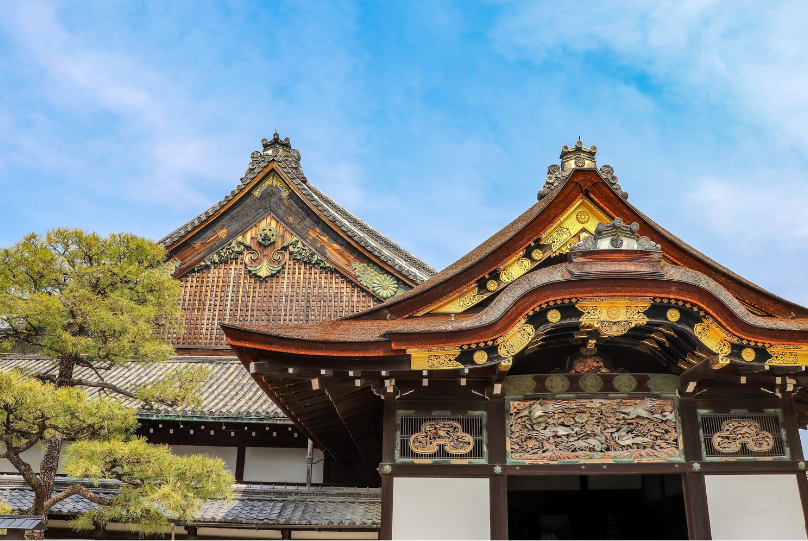
For over a thousand years, Kyoto was the imperial capital and home to the Kyoto Imperial Palace. Many temples in Japan took shape here, creating a dense map of temples and shrines. Kinkaku-ji (Golden Pavilion), Nijo Castle, and Kiyomizu-dera reveal power, artistry, and faith. Several sites form a beautiful city, making it a perfect destination for your Japan trip. UNESCO World Heritage group, marking Kyoto as a heritage site of global value. These places in Kyoto make history feel close and alive.
Importance of Kyoto in Japanese Culture
Kyoto shapes traditional Japanese culture every day. In Gion, the famed geisha district, you may glimpse a geisha on an evening walk. Zen practice guides quiet temple life across Higashiyama and Arashiyama. Seasonal rituals—from cherry blossoms to fall colors—define the city’s rhythm. Crafts, tea ceremony, and cuisine thrive at markets like Nishiki Market. Together, these practices define the best things about Kyoto and Japan. Visit Kyoto to see how heritage guides modern life with grace.
Travel Tips for First-Time Visitors
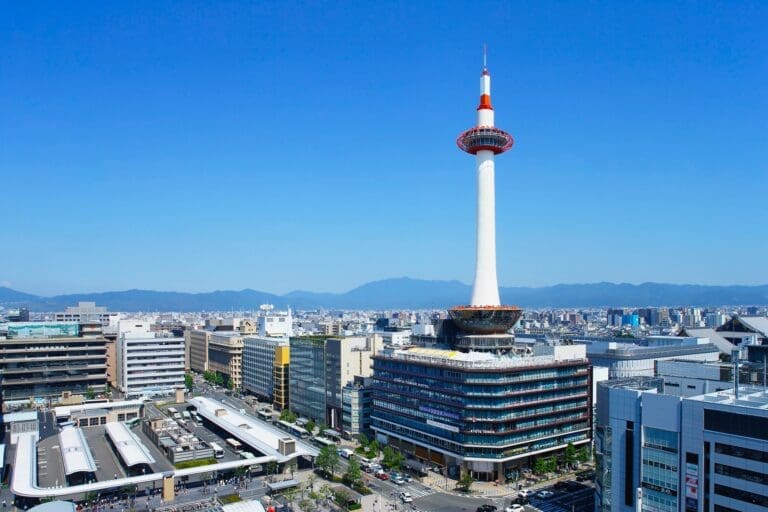
Start at Kyoto Station to orient your itinerary and plan a half day in nearby Higashiyama. Arrive from Tokyo or Osaka by shinkansen for speed and ease to Kyoto International. Buy an IC card for smooth transit to a temple in Kyoto or a shrine like Fushimi Inari. Explore the beautiful city of Arashiyama Bamboo Grove early to avoid crowds. Sample local food at Nishiki Market before a visit to Nijo Castle. Add a day trip to Nara for deer and temples, or a temple near the Imperial Palace. Plan, then wander, and create a lifetime memory.
Top Attractions in Kyoto
Kyoto is filled with unforgettable landmarks, and many travelers plan their itinerary around the city’s most famous Kyoto tourist attractions. Kyoto gathers world heritage icons and serene corners into one easy itinerary. Start from Kyoto Station and map the best things to do in Kyoto by area. Mix temples and shrines with markets and bamboo walks. Plan a half day in Higashiyama, then add a visit to Arashiyama the next morning for a complete Kyoto itinerary. Use our local travel tips for smooth moves between points of interest. Keep your visit simple, authentic, and balanced.
Exploring Kinkaku-ji: The Golden Pavilion
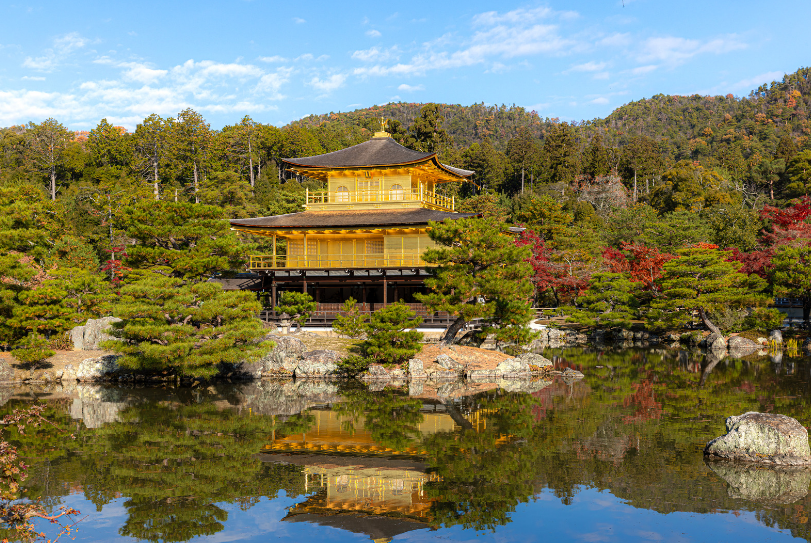
Kinkaku-ji (Golden Pavilion) is a UNESCO World Heritage icon that shines above a calm pond, its walls covered in gold leaf. This temple in Kyoto sits in a quiet district of Kyoto, ideal for slow walks. Arrive early to avoid crowds and enjoy zen reflections on the water. Pair Kinkaku-ji with a stop at nearby Ryoan-ji for a classic rock garden. Buses from Kyoto Station reach the pavilion in about forty minutes. It remains one of the most photographed Kyoto tourist attractions and a highlight of nearly every Kyoto itinerary.
Visiting Kiyomizu-dera Temple
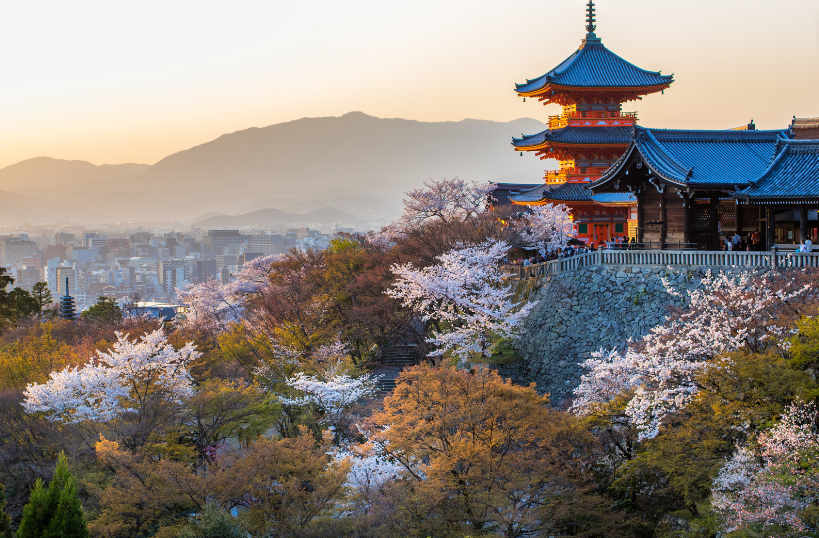
Kiyomizu-dera’s wooden terrace offers signature Kyoto views. Follow narrow lanes past teahouses to the famous terrace. In cherry blossom season, the slopes blush pink, while autumn turns them red. Explore the shrine within the grounds and sip fresh spring water. Combine this stop with Ninenzaka streets and a gentle walk toward the Gion area. From Kyoto Station, buses run often, or take a short taxi ride. This historic temple is one of the most iconic Kyoto tourist attractions, especially during the cherry blossom and autumn seasons.
Fushimi Inari Shrine and its Torii Gates
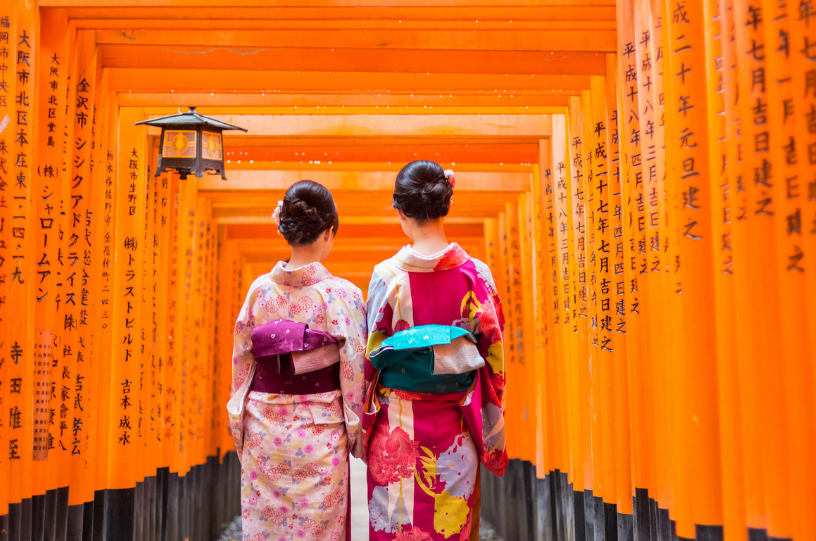
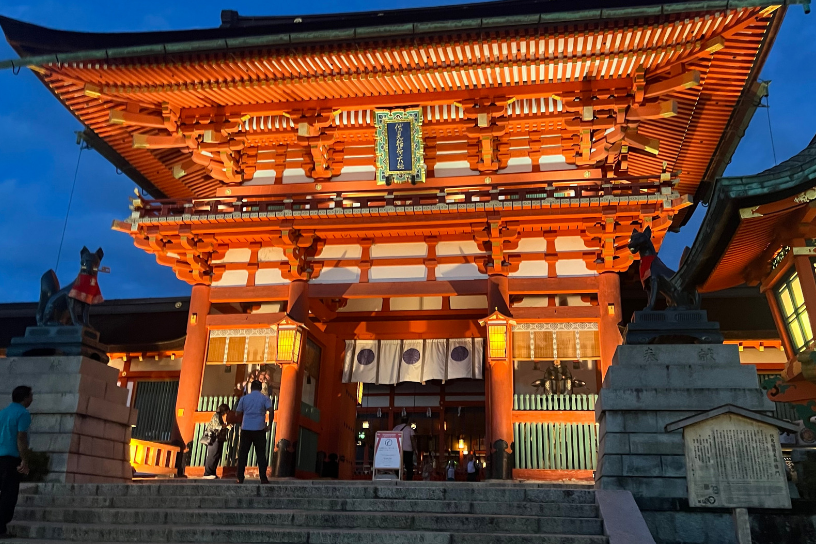
Walk beneath thousands of vermilion torii at Fushimi Inari. The shrine climbs a sacred hill, offering quiet turns beyond the first crowds, making it a beautiful shrine to visit. Start before sunrise for a peaceful path and cool air. The loop takes two to three hours with views over Kyoto city. Trains from Kyoto Station reach the shrine in minutes, making it easy to add to a Kyoto International day trip. This shrine is one of the most recognizable Kyoto tourist attractions and a must-see during any visit.
Experiencing Gion and Geisha Culture
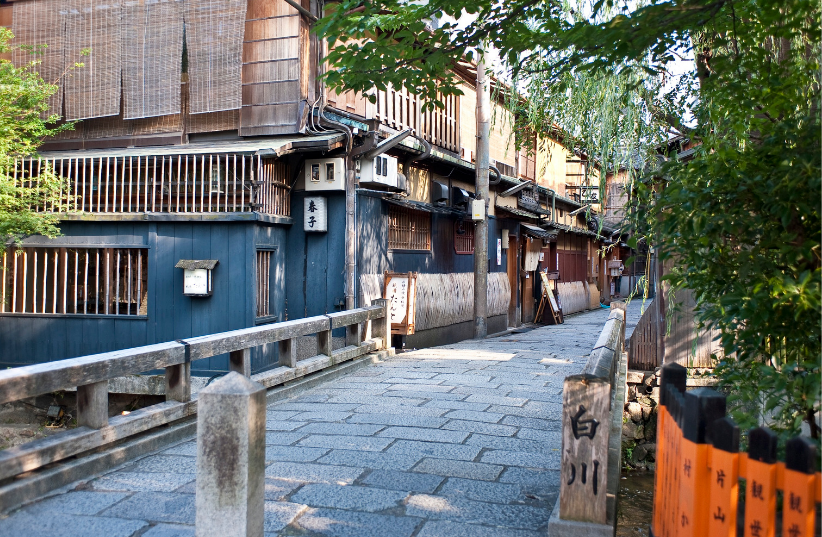
Gion is Kyoto’s living stage for geisha (geiko) culture. As dusk falls, lanterns glow, and the district of Kyoto hums softly. Walk from Kiyomizu-dera toward Yasaka Shrine and into the heart of Gion. Stop for sweets, then continue to the Shirakawa canal for a calm view. Our Kyoto guide encourages respect while exploring. This area blends cultural depth with easy strolls, making it one of the best things to include in your planning a visit.
What to See in the Gion District
Begin on Hanamikoji Street, where wooden machiya line the road in the heart of Kyoto International. Step into small shrines and quiet lanes off the main way. Visit Yasaka Shrine, then cross to Shirakawa for a gentle canal scene. Nishiki Market is a short ride away for snacks before the evening. Add Yasaka Pagoda views if time allows. These points of interest fit a flexible half day and connect well with nearby Higashiyama. Gion’s mix of shops, teahouses, and history is easy to explore at your own pace.
Understanding Geisha Traditions
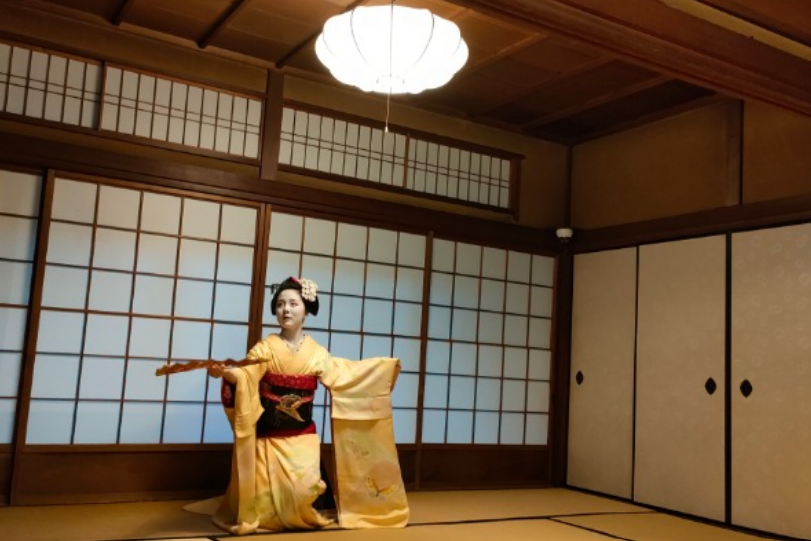
Geiko and maiko train for years in dance, music, and refined hosting. Maiko are apprentices with colorful kimonos and ornate hairpins. The geisha district follows traditions shaped by Zen discipline and seasonal arts. Performances often align with festivals, and some theaters open select shows to visitors. Bookings for an authentic private tour or dinner require planning a trip to Kyoto well ahead. Respect privacy on the streets and enjoy the culture through approved events and local cultural centers in Kyoto itineraries.
Tips for Spotting a Geisha
Visit at dusk in the Gion area and observe respectfully—no blocking paths or flash. If you see a geisha or maiko, do not block the path or use flash. Quietly observe and let the moment pass with grace. For a sure sighting, consider ticketed shows or guided walks led by a local expert like Fumiko. Balance your evening with a visit to Yasaka Shrine or a calm tea stop, perfect for your Japan trip. These travel tips help you create a lifetime memory, respectfully and safely.
Nature and Outdoor Activities Around Kyoto
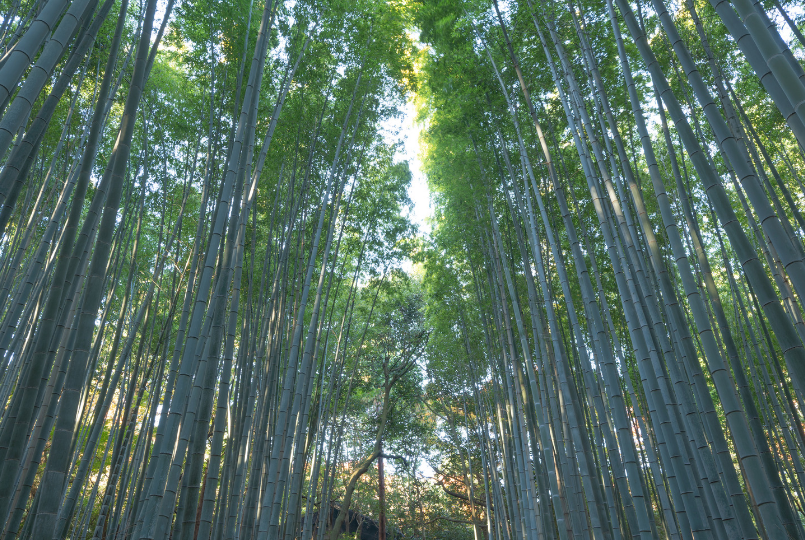
Kyoto rewards nature lovers with easy escapes and calm walks. Our Kyoto guide maps short rides from Kyoto Station to rivers, hills, and bamboo paths. Plan your Kyoto itineraries for Arashiyama early, then add nearby day trips for balance. Mix temples and shrines with scenic trails for balance. These outdoor points of interest fit any itinerary and help you visit Kyoto at a relaxed pace while seeing beautiful places in Japan.
Day Trip to Arashiyama Bamboo Grove
Arrive at dawn for the quietest Arashiyama Bamboo Grove. Start early and ride from Kyoto Station to Arashiyama for the famous bamboo. The Arashiyama Bamboo Grove glows in soft light and stays quiet at dawn, perfect for a serene start around the city. Follow the path toward Tenryu-ji temple, then reach the river for fresh air. Add a visit to a small shrine or a tea stop near the tracks. This day trip pairs well with a temple near the hills or a slow lunch. Bring water, walk gently, and enjoy one of the best things to do in Kyoto.
Exploring the Scenic Beauty of Arashiyama
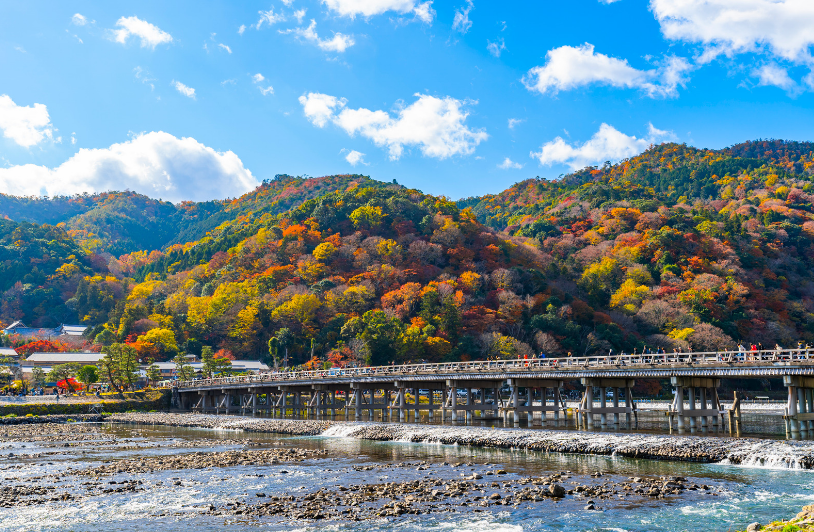
Arashiyama is home to some of the most scenic Kyoto tourist attractions, including the famous bamboo grove and the Togetsukyo Bridge. Cross Togetsukyo Bridge for mountain views, then rent a boat for a calm hour. Trails lead to hidden viewpoints and a mossy temple in Kyoto that feels timeless. In cherry blossom season, the banks bloom, while autumn paints the slopes red. Visit a pavilion with river views, then stroll quiet lanes back to the station. Arashiyama lets you enjoy Kyoto’s nature without rushing.
Other Natural Attractions in and Around Kyoto
Round out your itinerary with woodland walks at Fushimi Inari, where torii gates meet forest views of the city. Head north for river cycling, or plan a day trip to Nara for deer and shrines in Japan. Hike to viewpoints above the city of Kyoto, then unwind in a garden near the Imperial Palace. Families enjoy the Kyoto Railway Museum lawns and nearby parks. All routes are close to transit, keeping logistics simple.
Cultural Experiences in Kyoto
Kyoto culture shines through taste, craft, and calm design. Our travel guide blends famous temples and shrines with living traditions you can try. Spend a half day learning tea basics, then wander a zen garden to feel true stillness. Add a stop in the geisha district of Gion after sunset. These cultural points of interest sit near popular attractions, so your time in Kyoto flows with ease. Plan a flexible route to connect culture with landmarks.
Visiting Nishiki Market for Local Delicacies
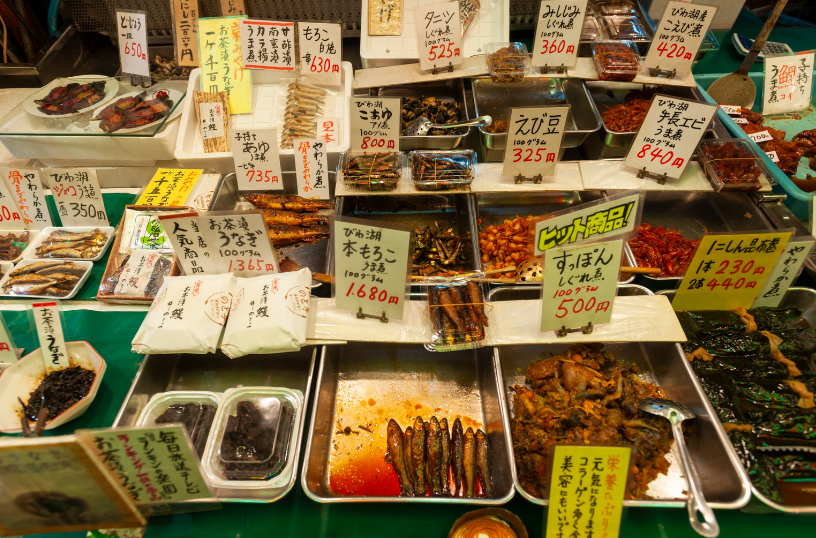
Nishiki Market is Kyoto’s pantry—come hungry. Sample tofu sushi, pickles, and warm skewers between craft stalls. Vendors share travel tips and simple stories about seasonal fish or mountain greens. Try a matcha treat, then pick up a snack for a river walk. From here, reach Gion or Higashiyama in minutes, making it easy to explore the Heian heritage. This lively street links food with culture and makes planning a visit easy. It is one of the best things to see in Kyoto for hungry travelers.
Zen Gardens and Their Significance
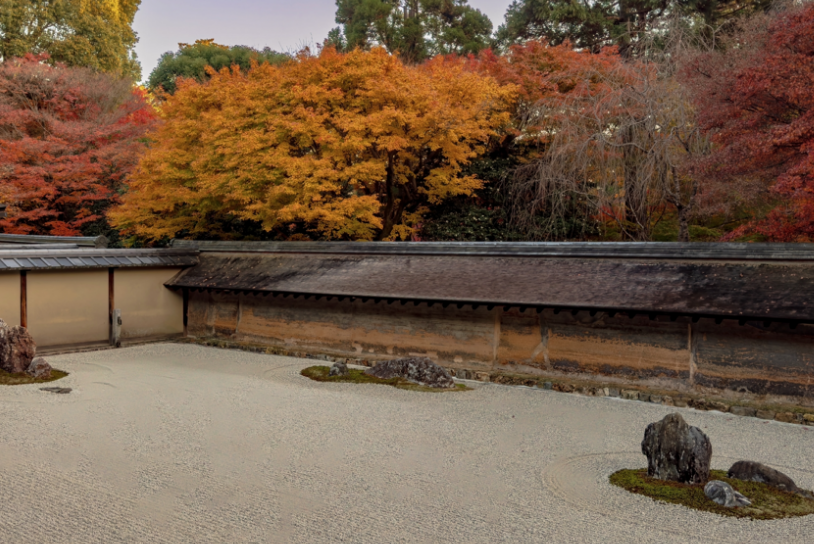
Zen gardens teach focus and stillness through stone, raked sand, and quiet moss in the Heian period gardens. Visit Ryoan-ji near Kinkaku-ji, the Golden Pavilion covered in gold leaf, to study stillness. Each view frames space and time, guiding breath and calm steps. Sit for a few minutes, then walk slowly along the edge. Many temples in Japan use similar designs, making Kyoto a living classroom. These UNESCO World Heritage sites and related grounds offer gentle rest between busy streets and help you feel the city’s steady rhythm during your Kyoto itineraries.
Traditional Crafts and Workshops in Kyoto
Hands-on crafts—pottery, dyeing, calligraphy—make meaningful souvenirs. Join a Kyoto International dye studio to color fabric, carve a simple stamp, or paint a small pavilion scene. Pottery classes near Higashiyama and calligraphy near Gion welcome beginners. Ask a local expert like Fumiko for a private session that fits your Kyoto International schedule. Combine a workshop with a temple in Kyoto or a shrine visit for balance. These activities are popular attractions and thoughtful souvenirs, turning your visit to Kyoto into a personal story.
Getting Around Kyoto
Use Kyoto Station as your hub. The city of Kyoto runs reliable buses, subways, and local trains that link temples and shrines, Gion, and Arashiyama. IC cards make transfers fast and stress-free. Use rail for speed and buses for short hops around the city. With a little planning, your visit to Kyoto flows smoothly all day.
Transportation Options within the City
From Kyoto Station, ride the Karasuma and Tozai subway lines to key points of interest. Buses reach Kinkaku-ji, Nijo Castle, and Kiyomizu-dera temple in steady loops. Trains on JR lines speed to Fushimi Inari and Arashiyama Bamboo Grove. Taxis help for a half day when connecting a temple in Kyoto with a distant shrine in the Kyoto International area. Rent a bike for flat routes near the Imperial Palace and the Kyoto Imperial Palace park. Mix modes to save time and stay comfortable.
Use an IC card like ICOCA to tap in and out across lines in Kyoto International transit. Check bilingual signs at major hubs and simple route maps on platforms. Go early for popular attractions; visit gardens late. Stations post clear exits for the geisha district in Gion and Nishiki Market. When crowds build, switch to local trains, then walk around the city for a more peaceful experience. This flexible approach keeps your time in Kyoto calm, efficient, and full of the best places to see in Kyoto.
Start early, group nearby sites, and keep a simple, flexible plan. Use these practical steps to streamline your Kyoto visit:
- Group nearby sites to cut transit time: pair Kinkaku-ji with Ryoan-ji and Nijo Castle, or link Gion, Higashiyama, and Kiyomizu-dera temple.
- Keep a simple itinerary and add a flexible half day for surprises around the city.
- Use Google Maps transit times, then pad ten minutes per ride.
- Carry water, small coins for buses, and your IC card.
With these travel tips, your visit to Kyoto will be easy and relaxed.
Conclusion: Making the Most of Your Visit to Kyoto
Balance world heritage icons with markets, gardens, and riverside lanes. Begin at Kyoto Station and branch to world heritage icons, riverside lanes, and the geisha district. Balance temples and shrines with markets and gardens to feel the true essence of Kansai. From the Golden Pavilion covered in gold leaf to quiet zen stones at Ryoan-ji, every corner offers calm and beauty. With a light plan, local trains, and kind timing, you will create a lifetime memory across the best places in Kyoto, including views of the city.
Recap of the Best Things to Do in Kyoto
Musts: Kinkaku-ji, Nijo Castle, Gion and Yasaka, Nishiki Market, Fushimi Inari, Arashiyama, and Kiyomizu-dera. Explore Kinkaku-ji, a UNESCO World Heritage site, then wander through Nijo Castle and its gardens for views of the city. Walk Gion toward Yasaka Shrine and the canal, then visit Nishiki Market for local flavors. Hike the torii at Fushimi Inari, and greet dawn in Arashiyama Bamboo Grove. Add a temple near the Imperial Palace and a pavilion with a view of Kiyomizu-dera temple. These top things and tourist attractions fit cleanly into a two to three-day plan and keep your time in Kyoto joyful.
Final Travel Tips for Your Kyoto Adventure
Plan by area, start early, travel light, and respect temple etiquette. Book an Authentic Private Tour if you want deep stories and smooth transfers. Aim for early starts during cherry blossom season to beat crowds. Pack light, wear good shoes, and carry an IC card. Respect quiet zones at each temple and shrine. Mix famous places in Japan with small lanes in the Gion and Higashiyama areas to discover more. These simple steps help you visit Kyoto with ease and confidence.
Encouragement to Explore Beyond Kyoto
Expand to Nara, Osaka, Koyasan, or Himeji for broader Kansai highlights. Take a day trip to Nara for friendly deer, or ride to Osaka for neon nights and bold food. Seek Koyasan for mountain calm, or admire the beautiful Kinkaku-ji Temple on a bright morning, a highlight of the Heian period. Guided routes like those from Best AdventureKansai add local expert care. Wherever you go, let Kyoto guide your pace. Keep curiosity open, and you will explore Kyoto and Kansai with heart and wonder.
If you want deeper stories and an easier route between major Kyoto tourist attractions, consider joining a Kyoto private tour with a local guide who can share history, hidden streets, and practical travel tips.
FAQ For Kyoto Tourist Attractions
- What are the most popular Kyoto tourist attractions for first-time visitors?
Many first-time travelers start with famous Kyoto tourist attractions like the Golden Pavilion, Fushimi Inari Shrine, and Kiyomizu-dera Temple. These historic places show the beauty of traditional Japan with temples, gardens, and scenic views. Walking through Gion or visiting Nishiki Market also helps visitors experience Kyoto’s culture and food in one easy day. - Which Kyoto tourist attractions should I visit in one day?
If you only have one day, focus on a few famous Kyoto tourist attractions close to each other. Many travelers combine Fushimi Inari Shrine, Kiyomizu-dera, and the historic streets of Higashiyama. Ending the day in Gion or Nishiki Market is a great way to enjoy local food and traditional Kyoto atmosphere. - Are Kyoto tourist attractions easy to visit using public transportation?
Most Kyoto tourist attractions are easy to reach using buses, trains, and the subway from Kyoto Station. Popular places like Arashiyama Bamboo Grove, Fushimi Inari Shrine, and Kinkaku-ji Temple are well connected by public transit. Many travelers also walk between nearby sites in areas like Gion and Higashiyama. - What Kyoto tourist attractions are best for nature lovers?
Nature lovers will enjoy Kyoto tourist attractions such as the Arashiyama Bamboo Grove, the Philosopher’s Path, and the forest trails around Fushimi Inari Shrine. These scenic areas mix temples, gardens, and peaceful landscapes. Visiting during cherry blossom season or autumn leaves makes the experience even more beautiful. - When is the best time to visit Kyoto tourist attractions?
The best time to visit Kyoto tourist attractions is during spring and autumn. Cherry blossoms in March and April bring soft pink colors across temples and gardens, while autumn foliage creates bright red and orange scenery. Early mornings are the best time to explore popular sites before large crowds arrive. - Are there hidden Kyoto tourist attractions away from crowds?
Yes, there are many quieter Kyoto tourist attractions beyond the famous landmarks. Places like Nanzen-ji Temple, Shōgunzuka Mound, and small gardens near the Kyoto Imperial Palace offer peaceful views. These spots allow visitors to experience traditional Kyoto without the large crowds found at major temples. If you want to discover more peaceful places, you can also read our Kyoto Hidden Gems guide for lesser-known spots around the city. - What Kyoto tourist attractions are good for photography?
Many Kyoto tourist attractions are perfect for photography. The golden reflection of Kinkaku-ji, the red torii gates at Fushimi Inari, and the historic streets of Higashiyama create stunning photos. Sunrise or sunset often provides the best lighting for capturing temples, shrines, and traditional wooden houses. - Can I see many Kyoto tourist attractions in two or three days?
Yes, two or three days is enough to visit many Kyoto tourist attractions at a relaxed pace. Travelers often explore Higashiyama and Gion one day, Arashiyama the next, and then visit famous temples like Kinkaku-ji or Nijo Castle. This plan allows time for food markets and quiet garden walks as well. - What Kyoto tourist attractions show traditional Japanese culture?
Several Kyoto tourist attractions highlight traditional culture. The historic Gion district, tea houses, and temples like Kiyomizu-dera offer a glimpse into Kyoto’s past. Visitors may also enjoy markets like Nishiki Market or cultural experiences such as tea ceremonies and traditional craft workshops. - Why are Kyoto tourist attractions so famous around the world?
Kyoto tourist attractions are famous because the city preserves Japan’s history, temples, and cultural traditions. Many sites, including Kinkaku-ji and Nijo Castle, are recognized as UNESCO World Heritage locations. The mix of historic architecture, seasonal beauty, and living traditions makes Kyoto one of the most special destinations in Japan.