Ever wondered what it feels like to step straight into a living postcard—crisp castle towers against the sky, delicate gardens whispering with history, and the taste of local flavors you can’t find anywhere else? Just a short, easy train ride from Kyoto, Osaka, or Kobe, Himeji calls to day-trippers of every style, promising more than just a glimpse of Japan’s most celebrated castle. Whether you’re a first-time visitor, solo explorer, or traveling with family, planning a seamless day trip to this heritage gem can be surprisingly simple—with the right tips. Stick with me, and you’ll discover not only how to get there hassle-free, but also the best ways to experience Himeji Castle, sample the city’s iconic cuisine, and squeeze every drop of culture and beauty out of your journey. Ready for an unforgettable day? Let’s dive into Himeji’s highlights, step by step.
Plan Your Day Trip to Himeji
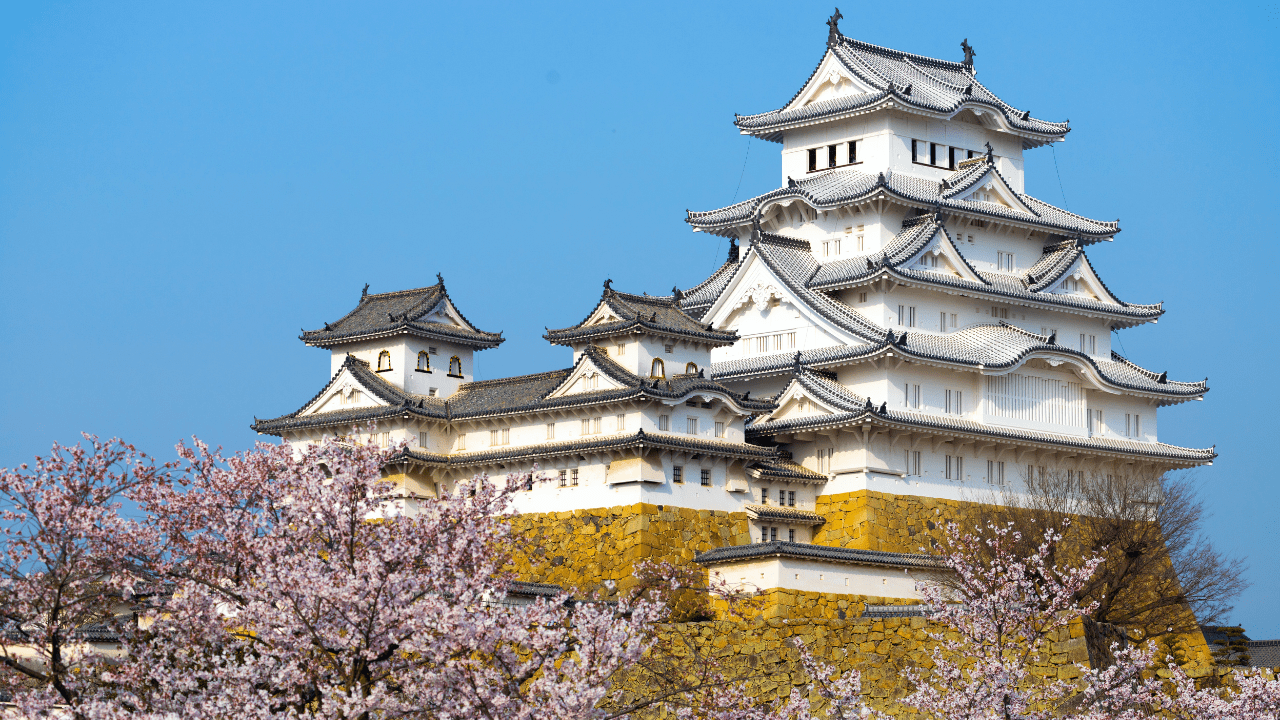
Himeji stands out as an ideal day trip destination from major Kansai cities like Osaka, Kyoto, and Kobe, consistently ranking among Japan’s most popular sightseeing spots. The crown jewel of Himeji is undeniably Himeji Castle—often called the “White Egret Castle” for its dazzling facade, this iconic World Heritage Site draws visitors from around the world.
Planning your Himeji day trip is straightforward, thanks to easy transport links and compact, walkable attractions. Most travelers start their journey from Osaka or Kyoto, using the efficient rail network for a seamless visit. Himeji’s central location means you can spend your morning wandering the castle grounds and surrounding gardens, then be back in time for dinner in another city.
The best time to visit Himeji is during cherry blossom season (late March to early April) or autumn when the foliage transforms the castle park into a painter’s palette of reds and golds. In spring, the castle moat and surrounding Himeyama Park become a magnet for hanami picnics, while autumn’s cooler air offers a comfortable stroll with fewer crowds. Regardless of season, mornings are the best for beating crowds—especially on weekends or during peak festival periods.
Quick facts for day trippers:
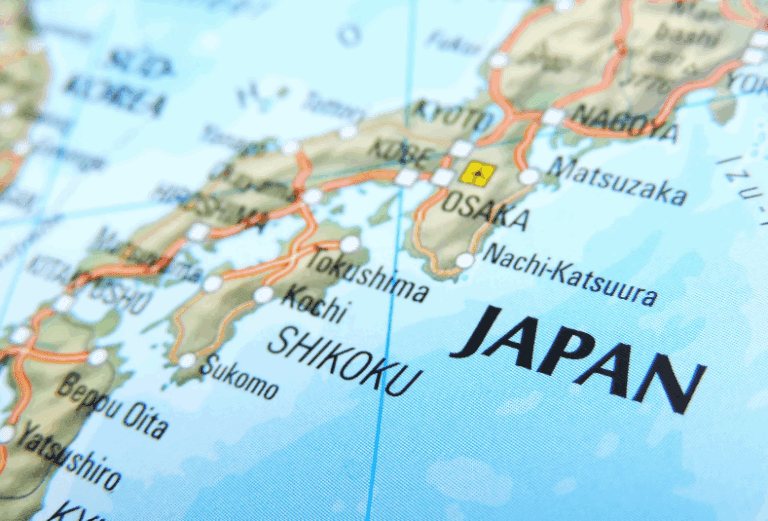
- Travel time: From Kyoto Station via Shinkansen, it takes just under 1 hour; from Osaka Station, about 50 minutes by special rapid train.
- Main attractions: Himeji Castle, Koko-en Garden, Miyuki Shopping Street, and Himeyama Park.
- Ideal arrival time: Aim to reach Himeji around 8:30-9:00 AM for a relaxed start with fewer visitors.
- Best departure: Late afternoon allows enough time for all highlights, with frequent trains back to Kyoto or Osaka for your return journey.
Himeji is easy for all kinds of travelers—families appreciate the stroller-friendly areas and open spaces in the castle grounds, solo visitors can explore safely and efficiently, while first-timers have clear, multilingual signs and plenty of tourist info centers for guidance. If you’re considering a day trip itinerary from Kyoto, Himeji is frequently recommended as a must-do.
Access Himeji Easily from Kansai Cities
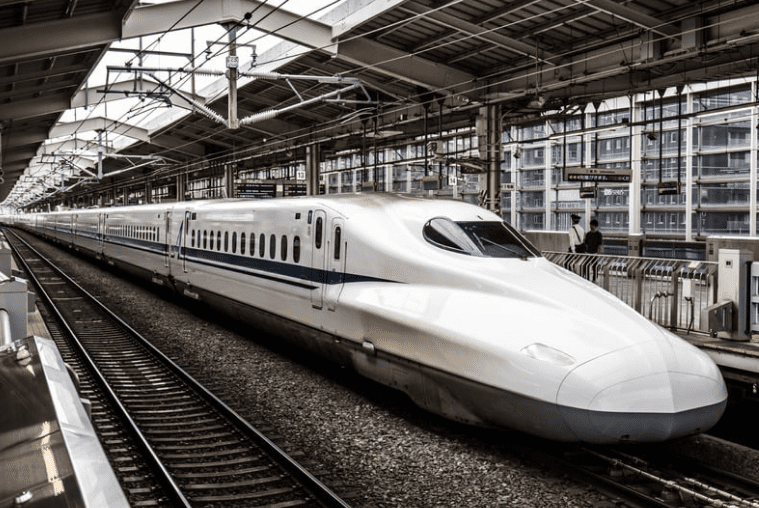
Getting to Himeji from the main Kansai cities is simple, with a variety of convenient and budget-friendly transportation options. Most visitors choose between the high-speed Shinkansen or the JR Special Rapid Service trains, and you can use your Japan Rail Pass for these routes, making it an attractive stop on any Japan itinerary.
If you’re starting from Kyoto Station, the Hikari or Sakura Shinkansen can get you to Himeji Station in about 46 minutes—just long enough for a coffee break. From Osaka Station, hop on a JR Special Rapid (Shin-kaisoku) train for a 55-minute scenic ride; from Kobe, you’re even closer, with local trains covering the journey in under 40 minutes.
Shinkansen services offer reserved and non-reserved seats. If you value guaranteed seating, especially during peak tourist seasons, it’s worth making a reservation at Kyoto or Osaka station before departure—there’s usually a separate ticket window and English assistance available. For Japan Rail Pass holders, both reserved and non-reserved seats (on Hikari and Sakura trains) are included, but the fastest Nozomi or Mizuho types are not covered.
If you’re bringing luggage, each major train station (Kyoto, Osaka, Himeji) is equipped with coin lockers of varying sizes. At JR Himeji Station, these lockers are easy to spot near the main entrances; large suitcases can be accommodated, and payment is by yen coins or IC card. Many travelers wonder about leaving their bags while they sightsee—rest assured, these lockers are considered secure and convenient.
Once you arrive at Himeji Station, you’ll find free Wi-Fi and several helpful tourist information counters, including the Shinki Bus Himeji Station Information Center, where you can ask about local buses (such as the Himeji Castle Loop Bus), maps, and sightseeing spots. Digital displays, English-language brochures, and friendly staff ensure even first-time visitors can navigate the city easily.
Whether you choose the speed of the Shinkansen or the economy of regular rapid trains, Himeji’s accessibility from the Kansai region makes it a perfect day trip or stop on your broader Japanese adventure.
Walk an Hour-by-Hour Himeji Day Trip Itinerary
Planning a smooth Himeji day trip starts with timing your arrival at Himeji Station. For most visitors leaving from Osaka or Kyoto, take an early train—aim to reach JR Himeji Station by 8:30 or 9:00 AM, before the crowds grow at Himeji Castle.
Begin at the castle complex itself. Spend your first hour exploring the magnificent Himeji Castle grounds and climbing to the main keep for breathtaking city and mountain views. The castle opens at 9:00 AM, and arriving on opening lets you photograph the castle facade without large tour groups in your frame.
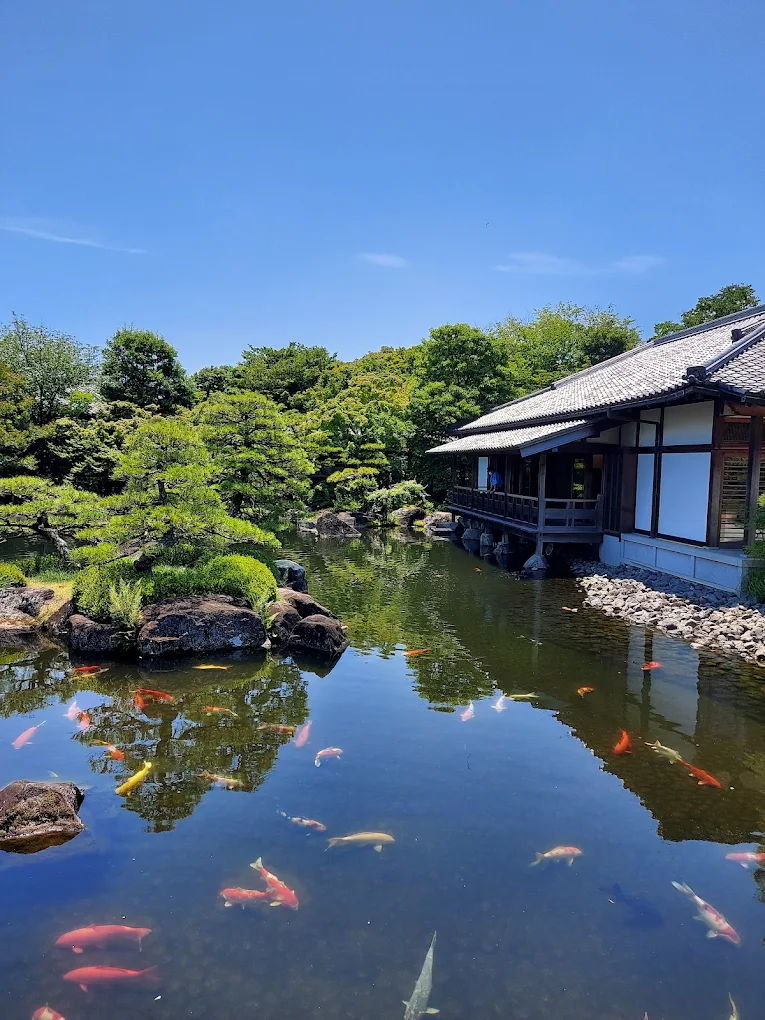
After touring the castle interior, set aside 30-45 minutes for the peaceful Kōko-en Garden next door, with its traditional landscaping and koi-filled ponds. This is a great time for families to relax or for garden-lovers to immerse themselves in Japanese maple trees and plum blossoms, especially in spring or autumn.
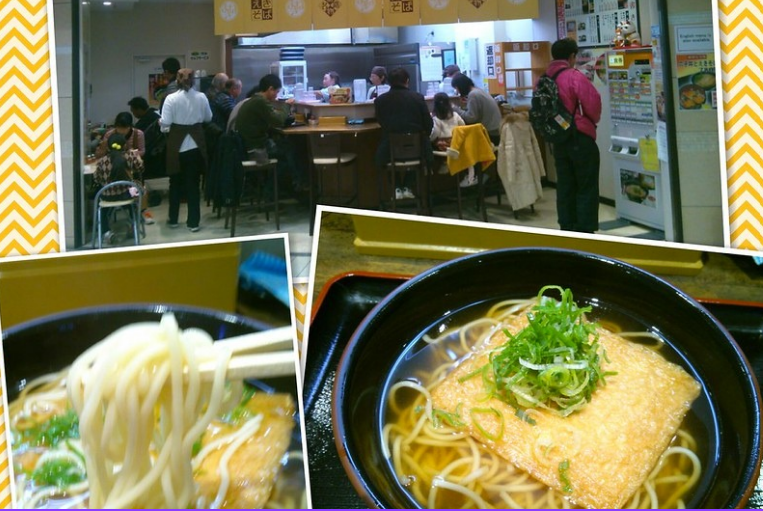
Around noon, head toward Miyuki Shopping Street, a lively arcade lined with street food and local restaurants. Lunchtime is perfect for sampling Himeji oden or the city’s famous ekisoba—try local specialties to fuel your afternoon.
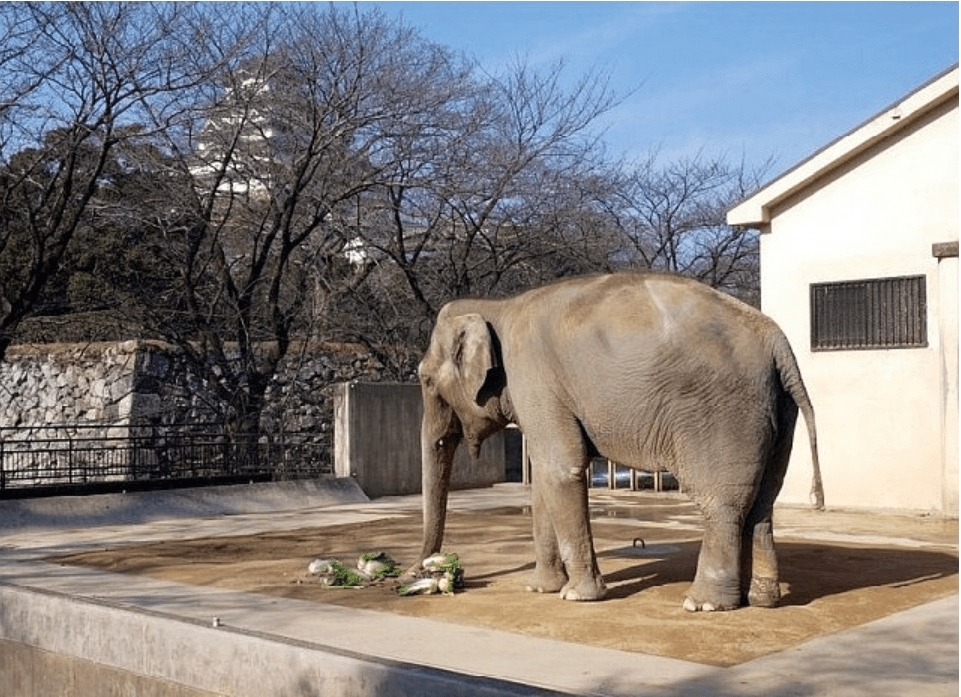
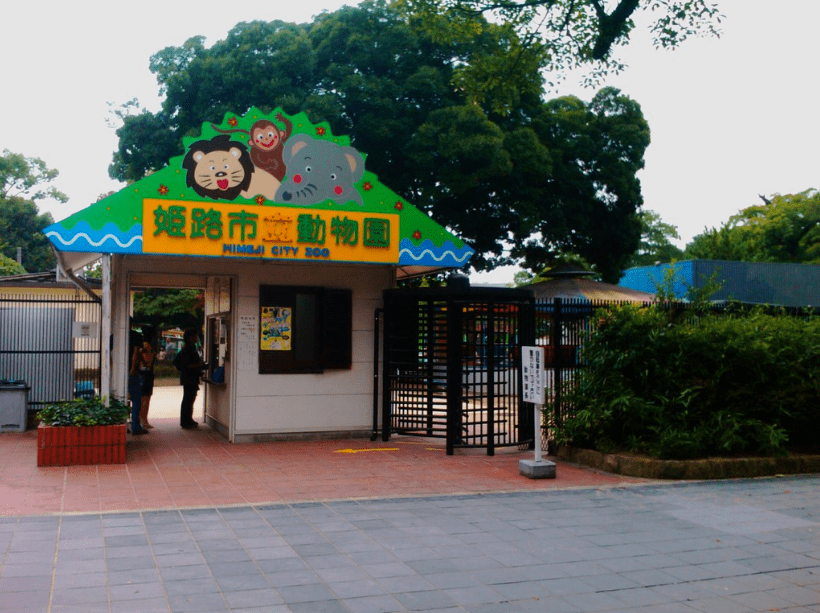
If you’re traveling with children or want more cultural stops, consider spending an hour at the Himeji City Museum of Art or visiting the adjacent Himeji Zoo. Culture buffs might prefer lingering at the castle grounds, learning more about early Edo-period defenses and palace chambers.
Wrap up your visit by 3:00 or 4:00 PM, allowing time for souvenir shopping in the Miyuki area or a stroll in Himeyama Park before heading back to Himeji Station. Trains run regularly to Osaka, Kyoto, and Kobe, giving you flexibility for your return journey.
Adjust your route:
- Families may spend more time with animals or art exhibits.
- Foodies could opt for a longer lunch, sampling several local dishes.
- Architecture fans might explore castle relics, gates, and the defensive moat in further detail.
Opening times vary seasonally for the castle and garden, but both typically open from 9:00 AM and close by 5:00 PM; confirm hours in advance, especially in winter.
Explore Himeji Castle: Heritage and Highlights
Himeji Castle is not just the highlight of a Himeji day trip—it’s one of Japan’s most significant and beautiful castles, renowned globally as the “White Egret Castle.” This UNESCO World Heritage Site dazzles with its white plaster walls and layered, wing-like roofs, resembling a bird poised for flight. The castle’s survival through centuries—spanning civil wars, natural disasters, and World War II—marks it as a true Japanese national treasure.
The castle complex features a maze-like network of defensive fortifications, narrow gates, and winding paths designed to slow invaders. Architectural buffs will appreciate the original main tower (donjon) dating from 1609, a rarity among Japanese castles that is entirely authentic rather than reconstructed. Look out for the Sakuramon, Kisaimon, and the winding Sakuramon-bashi Bridge for some of the best castle photo ops.
Visit during peak cherry blossom (sakura) season in early April, and you’ll find Himeji Castle grounds transformed by thousands of blooming trees—a picture-perfect scene that draws crowds from all over Japan and beyond. The autumn foliage season is similarly spectacular, adding fiery reds and golds to the castle park scenery.
To avoid a crowded Himeji Castle, plan to arrive at or just after opening, especially on weekends. Weekdays tend to be quieter, and the grounds are more peaceful in the early morning or late afternoon. Photographers can capture the iconic white castle without throngs of visitors if they start early.
Entry to the castle costs around JPY 1,000 for adults, with discounts for children and combination tickets available if you plan to visit Koko-en Garden as well. The gates open at 9:00 AM and close between 5:00-6:00 PM, depending on the season. Signage is in Japanese and English throughout the castle, so first-time visitors and international tourists can follow the route and learn about historic features without worry.
Accessibility has improved, though visitors should be aware that climbing to the top of the main tower involves steep, narrow wooden stairs. While ramps and some elevators serve the castle grounds and adjacent museum areas, wheelchair and stroller access is limited inside the donjon itself. Accessible toilets and rest facilities are available throughout the grounds.
For official entry details, ticket updates, an online map, and more about this spectacular castle, visit the Himeji Castle official site. Whether you’re drawn by Japanese history, the unique palace architecture, or the beautiful castle view, Himeji Castle makes a lasting impression.
Discover Kōko-en Garden and Other Nearby Sights
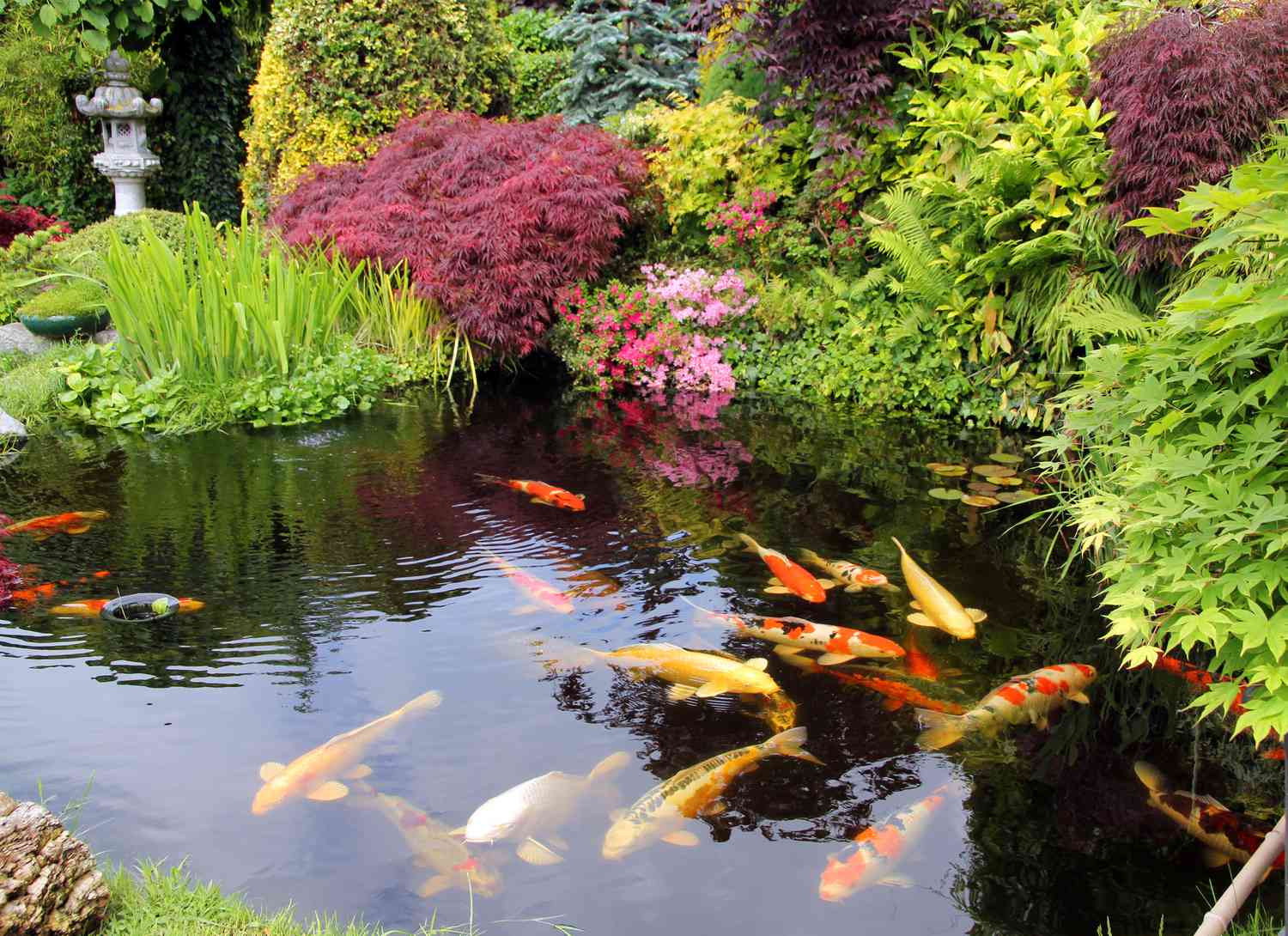
Kōko-en Garden is a serene oasis just west of the iconic Himeji Castle, making it an ideal next stop on your Himeji day trip. This beautifully landscaped attraction features nine distinct Japanese gardens, each showcasing different styles from the Edo period—think tranquil koi ponds, elegant bonsai, and meticulously sculpted greenery.
Inside Kōko-en, you’ll find traditional tea houses where visitors can participate in a formal tea ceremony or simply enjoy matcha with wagashi sweets while overlooking graceful maple trees. Seasonal highlights abound: cherry blossoms fill the garden with color in spring, while the crimson foliage creates dramatic beauty in autumn.
Efficient trip planning means you can see both Himeji Castle and Kōko-en Garden together. Buy the combined ticket to save time and yen, and exit Himeji Castle’s main keep via the western gate for direct entry into the gardens—no need to retrace your steps through crowded castle grounds. If you’re traveling with family, children will love the easy walking paths, open space, and gentle bridges over large koi-filled ponds.
Next door to the gardens, the Himeji City Museum of Art is housed in a red-brick building and offers a diverse collection of Japanese and Western works. For animal lovers or those with young kids, the Himeji Zoo (located on the castle moat’s northern side) provides a relaxed, old-school zoo experience with views of the castle’s white facade as a backdrop.
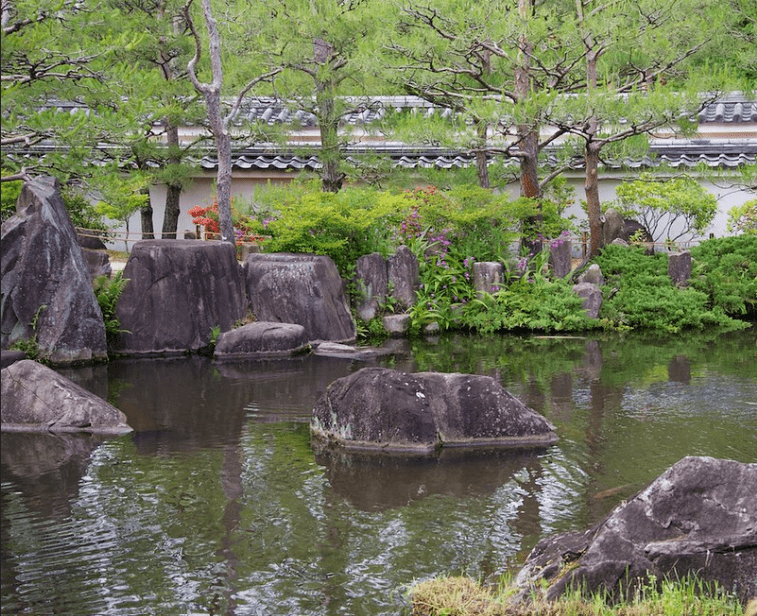
If you’re seeking quieter alternatives away from the crowds, stroll through nearby Himeyama Park or check out local temples and shrines scattered around the castle district. Combining major landmarks with a visit to Kōko-en gives your itinerary depth, as you’ll experience not only one of the most significant Japanese gardens in Kansai, but also an authentic taste of Japanese landscape artistry and culture just steps from the castle’s main attractions.
Savor Local Cuisine and Lunch Options Near Himeji Station
No Himeji day trip is complete without sampling the city’s unique local cuisine and snacking your way through favorite eateries and food stands near Himeji Station. Himeji is famous for specialty dishes like Himeji Oden—root vegetables and tofu simmered in savory Japanese broth and often served with a dollop of spicy ginger mustard.
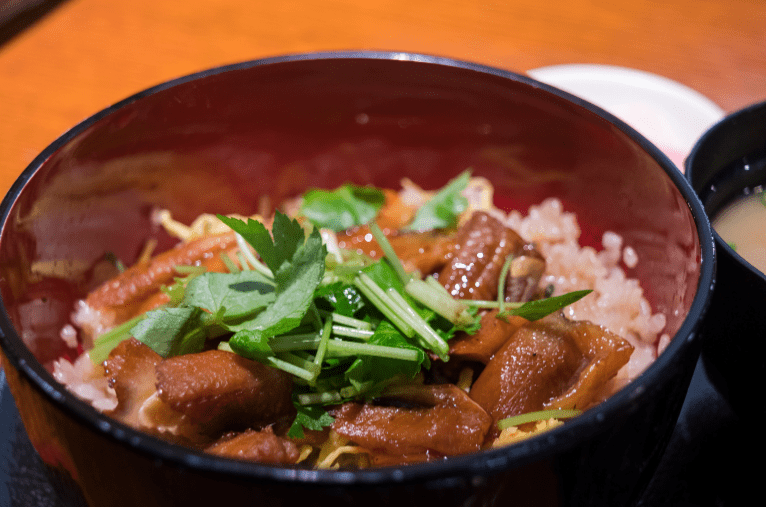
Another can’t-miss is Anago Meshi, a delicate meal of grilled conger eel laid over fluffy rice, popular at diners both near the station and within walking distance of the castle complex. Ikanago no Kugini, tiny sand lance fish simmered in sweet soy sauce, makes a classic souvenir and is often available in area markets and gift shops.
Hungry visitors can dive into thick-cut ekisoba, a quick noodle fix found right inside Himeji Station—a favorite among Japanese business travelers and commuters for generations. For a more relaxed meal, family-friendly restaurants, modern cafes, and casual izakaya line the station area and busy Miyuki shopping street, offering options that cater to a range of tastes, including vegetarian and vegan menus. Many establishments also highlight local produce and seafood, such as the region’s signature somen noodles (“Ibonoito”) or kaisendon, rice bowls loaded with fresh sashimi.
If you’re interested in sake tasting, don’t miss a visit to the Nadagiku sake brewery. They offer guided tours and sake flights to help you discover subtle nuances between varieties. For those on a quick schedule, street food stands near the castle entrance serve up local favorites like dorayaki (azuki bean paste pancakes), takoyaki, and crisp senbei rice crackers.
Whether you need a hearty lunch, are searching for healthy options, or are hoping to try something adventurous, the eateries clustering around Himeji Station and central sightseeing areas provide a wide array of flavors to recharge for the rest of your adventure.
Visit Mt. Shosha and Engyo-ji Temple for Scenic Culture
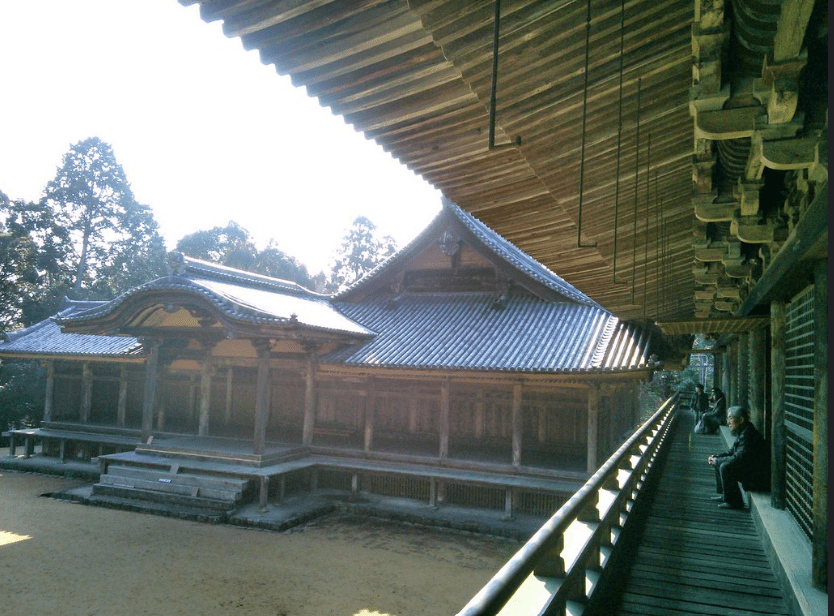
For travelers seeking a blend of spiritual heritage and mountain scenery beyond the beautiful castle grounds, Mt. Shosha offers a tranquil escape just outside the city center. Reaching Mount Shosha is straightforward—take the Shinki Bus from Himeji Station or JR Himeji Station directly to the Mount Shosha Ropeway stop, which typically takes about 25 minutes by bus. From there, the ropeway swiftly carries visitors up to the mountain’s lush forests, treating you to sweeping views over Himeji and the Hyogo Prefecture landscape.
Once at the top, a gentle walk brings you to Engyo-ji Temple, a remarkable temple complex with a history stretching over a thousand years. The site is spread out along forested paths, dotted with centuries-old wooden halls like the majestic Maniden and Jogyodo, each exuding an atmosphere of serene isolation. For those interested in film history, parts of Engyo-ji featured in “The Last Samurai,” and wandering these atmospheric trails offers a sense of stepping into another era.
The main loop through the temple grounds covers roughly 2–3 kilometers and can take 1.5 to 2 hours, with forest walks, mossy stone lanterns, and striking temple views. If you’re concerned about accessibility, note that while some trails are uneven or have steps, there are paved sections leading to the principal buildings that help accommodate visitors with mobility needs.
Outdoor enthusiasts may want to extend their day trip itinerary with side activities such as renting a bike back in Himeji city or exploring the shorter hikes around the base of Mt. Shosha. These routes are perfect for those wanting to experience a quieter, more reflective side of Himeji, away from the bustling castle crowds.
Shop, Stroll, and Experience Himeji Beyond the Castle
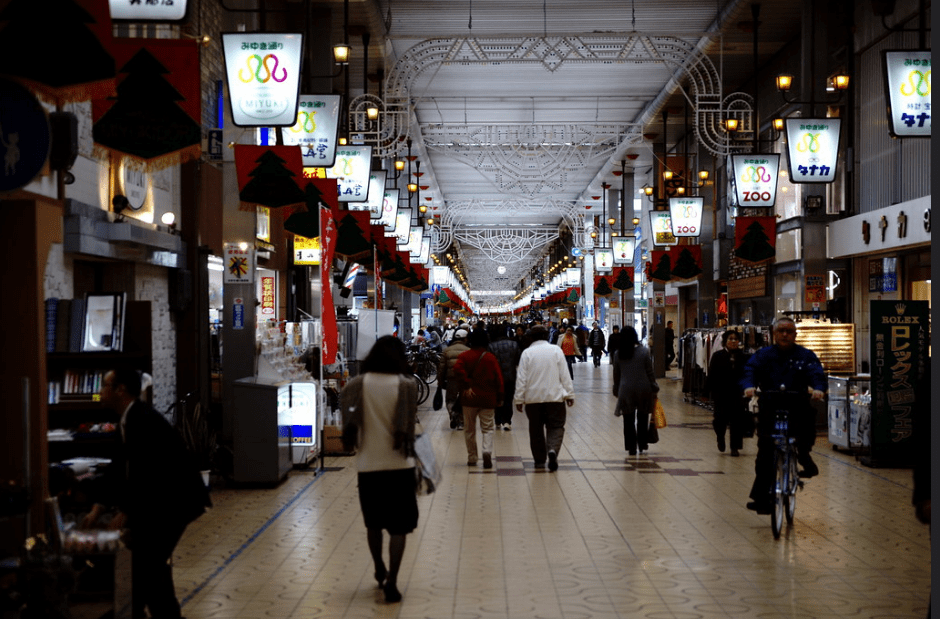
Himeji’s charm isn’t limited to its spectacular castle—the city invites day trippers to experience its lively shopping streets and cultural thoroughfares. Yume Kyobashi Castle Road is a picturesque lane just east of the Himeji Castle grounds, designed to evoke the ambiance of the old Edo period, with traditional merchant houses, lantern-lit walkways, and inviting storefronts showcasing crafts and Japanese sweets.
Nearby, Miyuki Street (Miyuki-dori) serves as Himeji’s bustling shopping arcade, sheltered for all-weather strolling and packed with souvenir shops, clothing boutiques, and snack stalls selling Gozasouro cakes and local specialties like ekisoba. Shops on Miyuki are ideal for picking up unique gifts—look out for regional ceramics, handmade fans, and even Himeji’s famed white castle-shaped treats. If you visit during special events or cherry blossom season, the area hosts lively markets, food fairs, and traditional festival parades that let you sample street food, browse local produce, or join hands-on cultural workshops in calligraphy and pottery.
Excellent photo opportunities abound, from the castle’s white facade peeking above the cityscape to lantern-lit alleys and seasonal decorations. The Miyuki area is also home to small galleries and pop-up stalls featuring local artists and craft demonstrations.
For those who want to immerse themselves fully, consider stopping into a tea house to experience a Japanese tea ceremony, or time your trip with a festival weekend for extra energy. If you’re contemplating an overnight stay—perhaps to appreciate the quieter mornings or enjoy Himeji’s nightlife—there are diverse options near Himeji Station and the castle area.
This holistic experience turns a classic day trip destination into a memorable adventure, adding flavor, culture, and community to your Himeji visit.
Conclusion
A day trip to Himeji promises both rich history and effortless convenience for travelers from Kyoto, Osaka, or Kobe. Anchored by the breathtaking Himeji Castle and complemented by beautiful gardens, local cuisine, and engaging cultural experiences, your visit is sure to be memorable.
Whether you’re traveling solo, with family, or just exploring Japan for the first time, Himeji offers something for everyone—from smooth train access to diverse dining options. Plan your route, arrive early, and savor both centuries-old landmarks and the flavors unique to the region.
Set aside just one day and discover why Himeji is considered Kansai’s crown jewel. All it takes is a little planning to unlock this essential Japanese destination—so book your ticket, pack your camera, and dive into the city’s living history.
FAQs
1. Is Himeji Castle accessible to people with mobility challenges?
While Himeji Castle’s grounds and gardens are partially accessible with ramps and some paved paths, the main keep has steep stairs and no elevator, which can be challenging for visitors with limited mobility or strollers. However, there are museum areas, gardens, and photo spots around the castle that are easier to explore. Renting a wheelchair from the entrance or focusing on nearby sites like Kōko-en Garden can help ensure a comfortable visit.
2. What’s the best way to get to Himeji from Kyoto or Osaka?
The most efficient way is by Shinkansen (bullet train), which takes roughly 30 minutes from Osaka and 45 minutes from Kyoto. If you have a Japan Rail Pass, use it—these trains are covered and offer reserved seating. The Special Rapid Service on JR lines is a cheaper, slightly slower alternative. Station lockers are available for luggage, and Wi-Fi plus tourist centers can help you navigate once you arrive.
3. Can I fit everything into a half-day, or do I need a full day?
Most visitors find that a half-day is enough to enjoy the castle and gardens, especially with an early start. However, if you’d like to try local restaurants, shop on Yume Kyobashi Castle Road, or visit Mt. Shosha, a full day offers a richer, more relaxed experience. Tailor your itinerary based on pace and interests; families or culture lovers may prefer more time.
4. Are there good food options for vegetarians or special diets near Himeji Station?
You’ll find a variety of restaurants and cafes near the station and main tourist sites, some featuring vegetarian and even vegan Japanese dishes. Look for izakayas and modern cafes offering vegetable-based meals, rice bowls, and salads. If you have allergies or dietary needs, don’t hesitate to ask the staff, as many places now offer multilingual menus and can accommodate special requests.
5. What else is there to do besides Himeji Castle?
Kōko-en Garden, next to the castle, is a tranquil spot with tea houses and traditional landscaping—not to be missed. Nearby is Himeji Zoo, the City Museum of Art, and shopping streets like Miyuki Street for souvenirs or snacks. If you’re up for more adventure, consider a side trip to Mt. Shosha and Engyo-ji Temple for history and hiking in beautiful natural surroundings.