
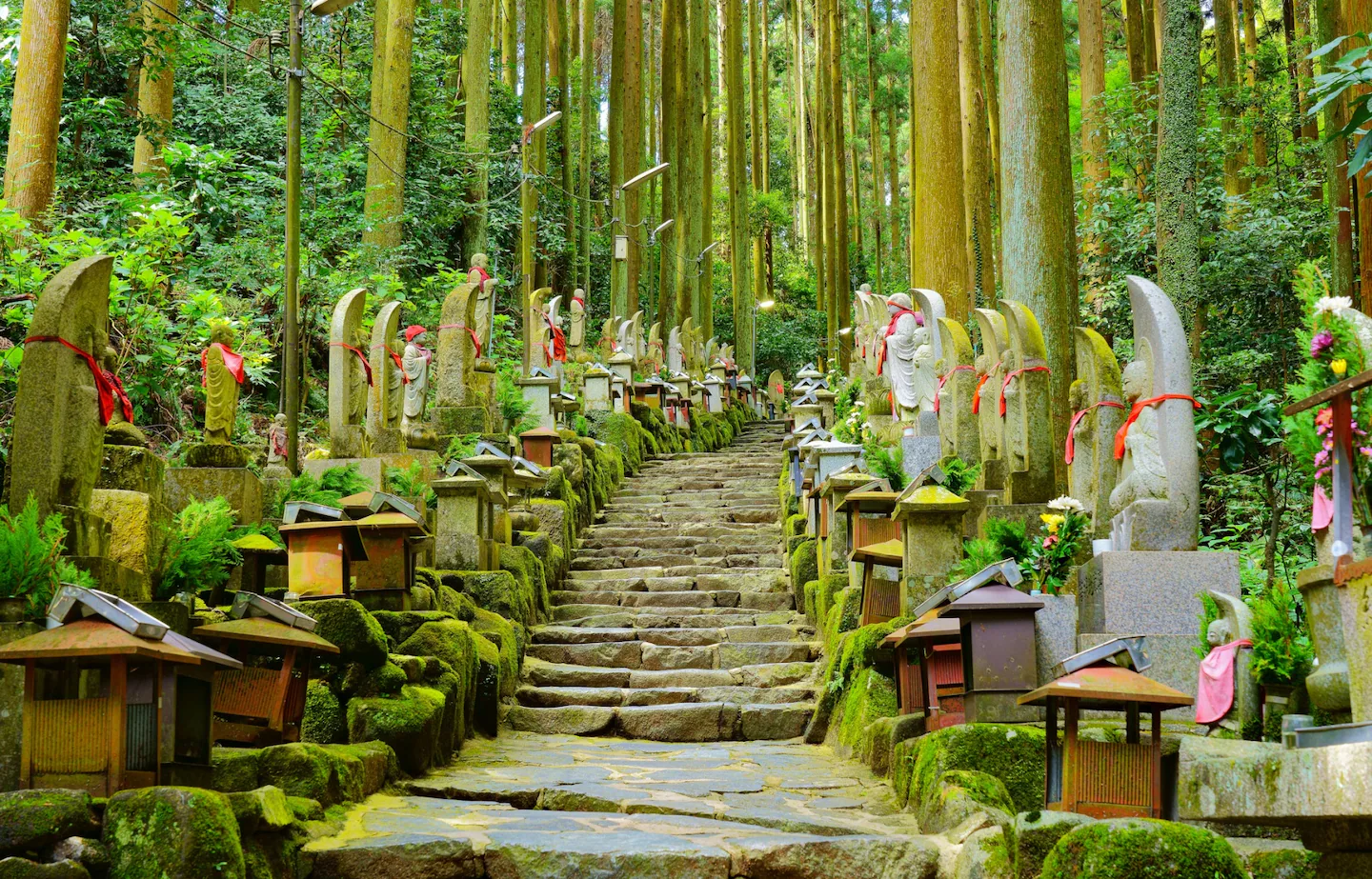
What if there’s a place just a short ride from Kyoto or Osaka where you can see ancient temples, stroll through quiet gardens, and feed friendly deer—all in one day? Nara is Japan’s first capital, where old shrines, calm parks, and lively streets come together.
Kyoto often gets the spotlight, but Nara feels calmer and easier to explore. It’s a great place for history, culture, and nature without big crowds. This guide covers top sights, hidden spots, seasonal highlights, and local food so you can plan with ease.
Nara is one of Japan’s most charming places, mixing long history with calm nature.. Known as the nation’s first permanent capital, Nara’s story stretches back to the 8th century and is woven into the very fabric of Japanese culture and Buddhism.
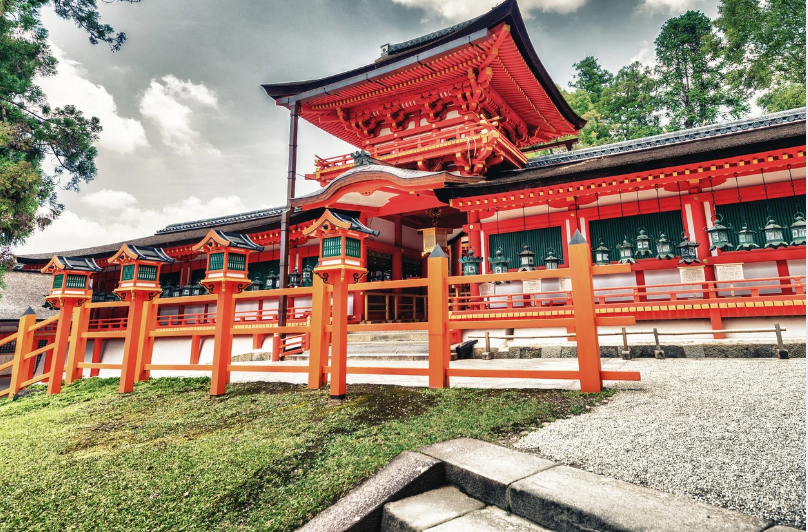
The city’s most celebrated attractions are its UNESCO World Heritage Sites, including legendary temples like Todai-ji, Kofuku-ji, and Horyu-ji, as well as the iconic Kasuga Taisha Shrine. These sites feel special and far quieter than Kyoto or busy Osaka.
What makes Nara stand out is its calm feel. Vast, inviting spaces such as Nara Park welcome visitors to stroll among ancient temples, friendly deer, and carefully preserved gardens—all within walking distance from the city’s heart.
Wandering through the city, you’ll sense a different kind of charm: streets lined with traditional machiya, quiet temple grounds, and hidden tea houses create a slow, immersive experience. Whether you’re drawn by the majestic bronze Buddha statue, the lantern-lit paths of Kasuga Taisha, or the renowned deer park at the center, Nara promises a memorable journey.
Whether it’s your first visit or not, Nara offers a mix of history, culture, and natural beauty that feels unique.
Reach Nara with Ease: Transportation and Arrival Tips
Getting to Nara from Osaka or Kyoto is easy, making it a popular day trip or short stay. Two main rail lines serve the area: the JR lines and the Kintetsu lines, each with unique advantages depending on your itinerary and starting point.
From Osaka, travelers can catch the JR Yamatoji Line from Osaka Station directly to JR Nara Station in about 50 minutes, or opt for the Kintetsu Nara Line from Namba Station, arriving at Kintetsu Nara Station in under 40 minutes with rapid express trains. From Kyoto, the JR Nara Line offers direct service to JR Nara Station in roughly 45 minutes on the Miyakoji Rapid service, while the Kintetsu Kyoto Line runs rapid express trains to Kintetsu Nara Station in just over 35 minutes.
Most visitors find Kintetsu Nara Station closer to the main sights—located just minutes from Nara Park, Todai-ji, and Kofuku-ji Temple—while JR Nara Station is about a 15-minute walk from these attractions. Both stations are well signposted in English, have convenient luggage storage, and provide easy access for travelers with mobility needs.
For ticketing, travelers can use the nationwide Japan Rail Pass or area-specific options like the Kansai Area Pass on JR lines, often a good value if you plan multiple trips around Kansai. The Kintetsu Rail Pass is a great choice for unlimited travel across Kintetsu lines, especially if you’re exploring beyond Nara to Kyoto, Osaka, or Ise.
Accessible transport is readily available in Nara, with station elevators, rental wheelchairs, and clear information for international visitors. If you’re planning to explore the city at your own pace or have special requirements, check the official Nara tourism transport guide for the latest updates on routes, passes, and up-to-date schedules.
Nara’s compact size, excellent train services, and walkable attractions mean you spend less time commuting and more time discovering the city’s treasures on your first trip or a leisurely return visit.
Plan the Perfect Day: Suggested Itineraries in Nara
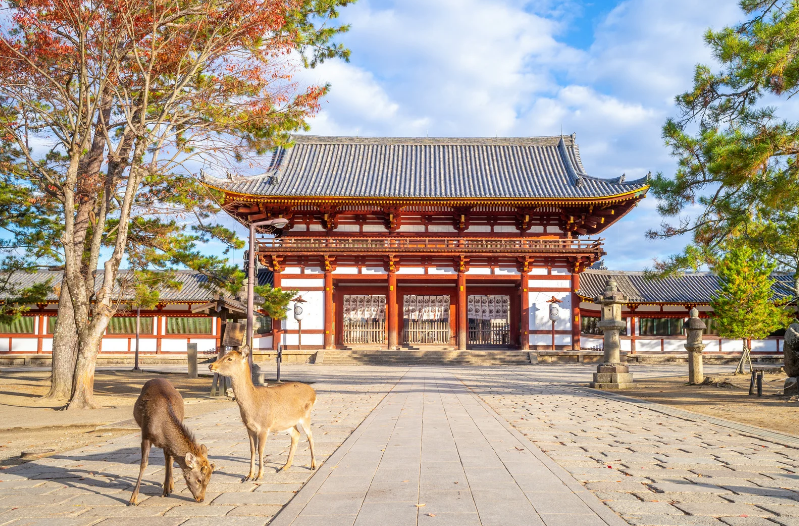
When planning your Nara trip, you can see the top sights in one day or explore more over two days. If it’s your first visit, a simple 1-day plan covers the main sights: start your morning at the famed Todaiji, home to the awe-inspiring Great Buddha and the massive Nandaimon gate.
Next, stroll through Nara Park, where you’ll encounter the city’s iconic friendly deer and enjoy the peaceful scenery surrounding koi ponds and elegant temple grounds. Nearby, spend some time at Kofuku-ji Temple, with its towering five-story pagoda and the Kohfukuji National Treasure Hall—a perfect spot for travelers interested in Buddhist art and sculptures.
By midday, make your way to the lantern-lined paths of Kasuga Taisha Shrine, an essential stop for those eager to understand the Shintō traditions that shaped Nara Prefecture. If time allows, the Nara National Museum awaits with world-class Buddhist artifacts and seasonal exhibits, making it a must for art lovers.
Families and photographers may want to allocate a couple of hours to Isuien or Yoshikien Gardens—Japanese gardens known for their serene landscapes and striking seasonal colors. If you have two days or seek a more leisurely pace, venture out to Horyu-ji in the Ikaruga area, home to the world’s oldest wooden structures and recognized as a UNESCO World Heritage Site. Other themed itineraries might include the photogenic views atop Mount Wakakusa, time in lesser-known temple neighborhoods like Naramachi, or a focus on Nara’s hidden art museums.
To save time and energy, use an interactive map that lays out the best walking routes. Many main attractions are within 20 minutes of each other, so wear comfortable shoes. Wondering if just a day is sufficient? It’s possible to cover the major highlights in a single day, especially if you start early and prioritize temples like Todai-ji, shrines, and gardens. However, history buffs or visitors who love slow travel will find plenty to fill a multi-day visit.
Discover the Top Temples and Shrines to See in Nara
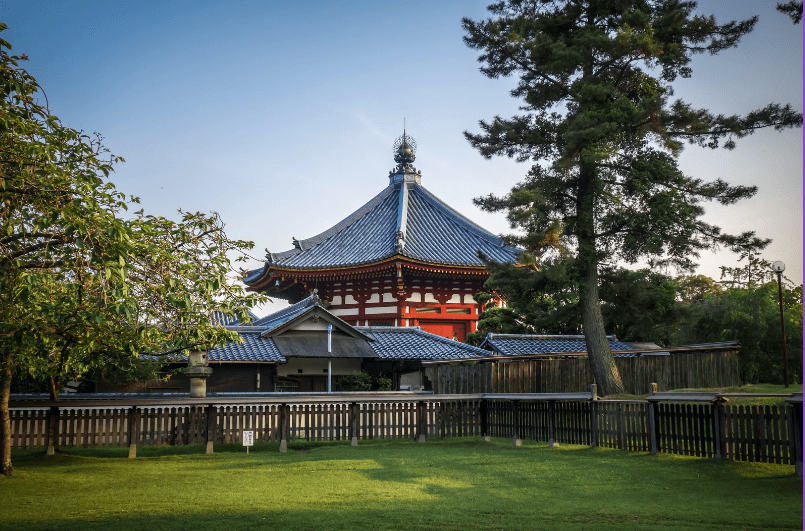
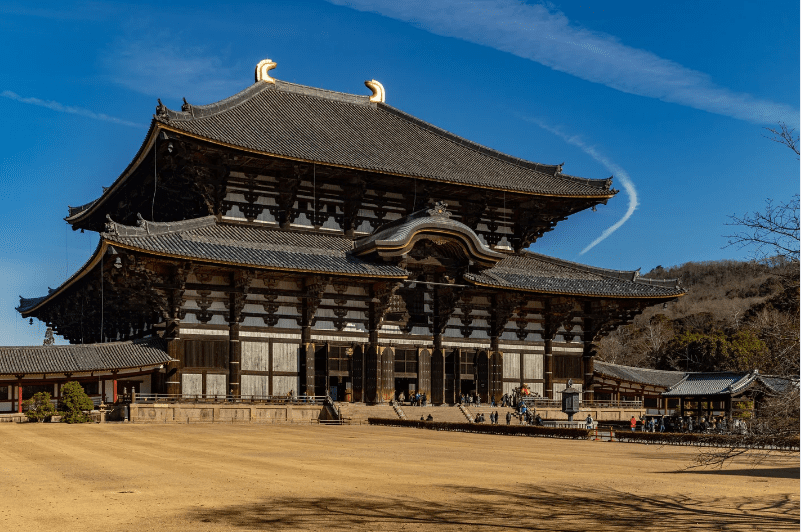
Nara is known for its many ancient temples and Shinto shrines, including several UNESCO sites. Topping the list is Todaiji, famed for the world’s largest bronze Buddha (Daibutsu) and its awe-inspiring Great Buddha Hall—the largest wooden building on the planet.
While exploring the sprawling temple grounds, you’ll pass through the grand Nandaimon gate flanked by imposing guardian statues crafted in the Kamakura period, then admire intricate Buddhist carvings and centuries-old pagodas.
Just a short walk away, Kofuku-ji Temple stands as another jewel of Nara’s history. Founded by the powerful Fujiwara family, it features a striking five-story pagoda—an instantly recognizable icon of the Nara skyline—and houses the Kohfukuji National Treasure Hall, where ancient Buddhist statues and relics illustrate the depth of Japanese Buddhism.
The revered Kasuga Taisha Shrine is a vibrant testament to Shintō tradition, glowing with thousands of bronze and stone lanterns gifted by worshippers over the centuries. This important Shintō shrine is nestled within the sacred Kasugayama Primeval Forest, which has remained untouched since ancient times, preserving a sense of spiritual tranquility. Each February, the shrine hosts the enigmatic Omizutori festival, one of the oldest Buddhist rituals in Japan.
In the Ikaruga area, Horyu-ji Temple offers a unique window into Japan’s earliest Buddhist architecture. Recognized not only as a UNESCO World Heritage Site but also for having the world’s oldest surviving wooden buildings, Horyu-ji is a sacred place for history enthusiasts and those tracing the origins of religious life in Japan. Nearby, Chugu-ji and Hokki-ji temples provide a quieter, more contemplative experience, showcasing priceless statues and original structures from the Asuka and Nara periods.
Other notable sites enrich Nara’s temple landscape: Shin-Yakushi-ji, revered for its twelve guardian deity statues, and the Heijo Palace Site, which recalls Japan’s first permanent capital city with its open lawns, partially restored palace halls, and a new museum highlighting court life from the 8th century. Whether it’s your first trip or a return visit, these temples and shrines stand as living witnesses to Japanese spirituality, artistry, and the ongoing story of Nara’s ancient capital.
Experience Nara’s Iconic Nature and Gardens
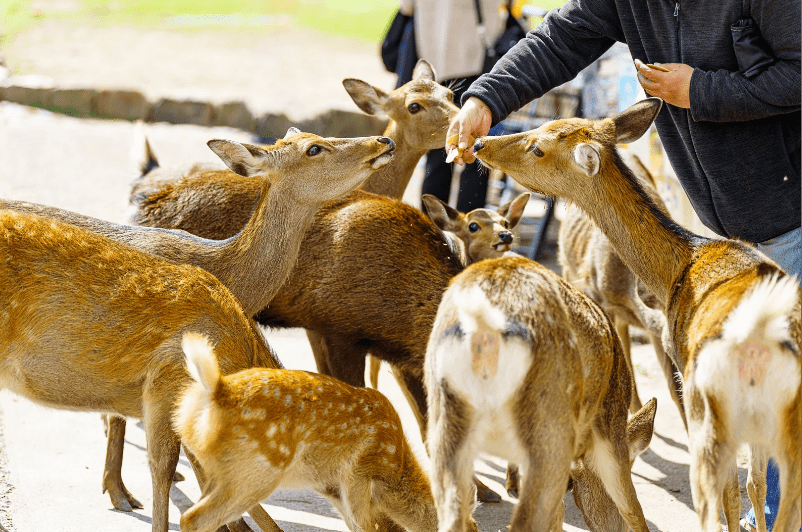
Nara is famous not only for its remarkable temples and shrines but also for its lush parks and stunning Japanese gardens. A visit to Nara Deer Park is essential, as the park is home to over 1,000 free-roaming deer—considered messengers of the gods in local Shintō traditions.
Feeding the deer is a highlight, but treat them with care, but it’s important to practice respectful animal etiquette. You can purchase special “shika senbei” crackers to feed the deer, who often bow their heads in a gentle nod—a charming custom unique to the area. The deer park is also a central hub, surrounding major sights like Todaiji Temple and Kasuga Taisha Shrine, offering scenic strolls between these world heritage sites. Wide lawns, ponds, and centuries-old trees create a peaceful place for relaxation and photography.
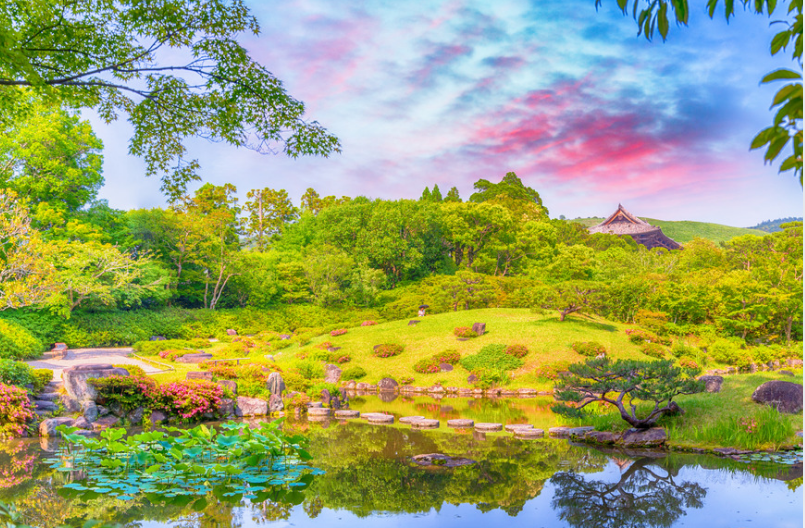
Nara is also blessed with exquisite traditional gardens. Isuien Garden, conveniently nestled between Kofukuji Temple and Todai-ji, features beautifully landscaped ponds and teahouses that showcase the harmonious balance between built space and natural scenery. For those seeking even more tranquility, the Isuien Garden website provides details on the unique design and highlights seasonal beauty.
Right next door, Yoshikien Garden stands out for its three distinct garden styles, from moss to tea ceremony gardens, and grants free entry to foreign visitors—making it a must-stop for anyone interested in authentic Japanese garden design. At Yoshikien, consider joining a Japanese tea ceremony in the traditional teahouse, an immersive introduction to local culture.
Adventurous visitors should plan a hike up Mount Wakakusa, just east of Nara Park. The gentle ascent rewards hikers with sweeping views of Nara city, the sprawling temple grounds, and the surrounding basin—unforgettable at sunset. If you’re visiting in late January, don’t miss the Wakakusa Yamayaki Festival, when the grassy slopes are spectacularly set alight, illuminating the night sky in one of the UNESCO world heritage site city’s most celebrated events.
These natural attractions offer a refreshing contrast to the city’s historic architecture, making Nara a favorite spot for leisurely sightseeing and quiet moments in nature.
Taste Nara: Local Cuisine and Unique Dining Spots
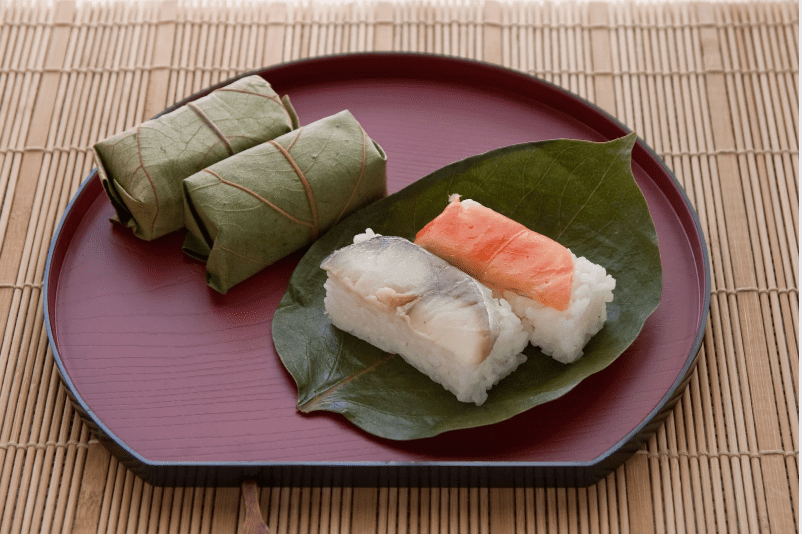
Trying Nara’s food is a great way to enjoy local flavors and traditions. A core favorite among locals and tourists is kakinoha-zushi, or persimmon-leaf sushi—a specialty where sushi rice and mackerel are wrapped in naturally antibacterial persimmon leaves. This delicacy originated as a way for travelers in Nara Prefecture to keep sushi fresh before refrigeration and remains a staple at many shops today.
No Nara itinerary is complete without sampling narazuke (Nara-style pickles). These crunchy vegetables are preserved in sake lees, giving them an aromatic, slightly boozy flavor profile distinct from regular Japanese pickles. For meat lovers, seek out local restaurants that serve richly marbled Yamato beef—a rarity prized for its tenderness and depth, especially in steak or sukiyaki-style dishes.
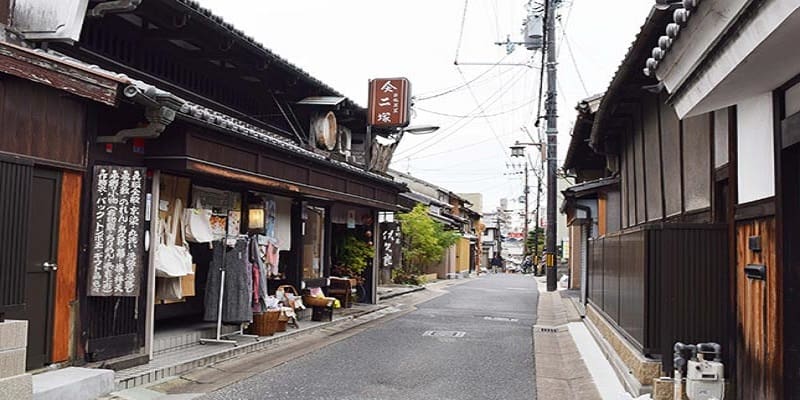
Culinary tradition flourishes in Nara’s historical machiya (merchant townhouses), which have been converted into atmospheric cafés and eateries. Mizuya Chaya, nestled in the forests near Kasuga Taisha, offers handmade udon in a serene, rustic setting—perfect for a rest after visiting shrines or exploring Nara Park. For something sweet, traditional wagashi confectioners like Nakatanidou tempt passersby with freshly pounded mochi, famous for its rapid rice-cake-making demonstration that is a tourist favorite.
Saho no Chaya, not far from Nara Station, blends classic Japanese desserts with a tranquil garden view, while Akishino Café is a local favorite known for hearty lunches using local ingredients and artful presentation. If you’re interested in Japanese sake, seek out breweries around Nara city—this region is regarded as the birthplace of Japanese sake and continues to produce award-winning varieties.
For a comprehensive list of must-try restaurants, cafes, izakayas, and local specialties, the official Nara dining guide is an excellent resource to help plan your food adventure, whether you’re after culinary classics or a unique café experience. Nara’s diverse dining scene, rooted in centuries of tradition, makes it a rewarding and delicious part of your visit to this ancient Japanese city.
Explore More: Off-the-Beaten-Path Attractions in Nara
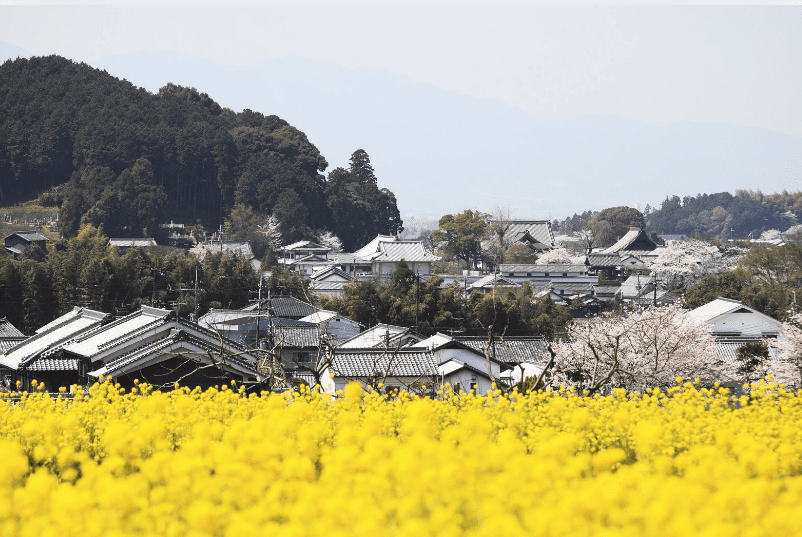
For travelers eager to see beyond Nara’s headline sights, the city and prefecture offer a wealth of hidden treasures that reveal another layer of Japanese culture and history.
Wander through the atmospheric lanes of Naramachi, the former merchant quarter filled with preserved machiya townhouses, boutique shops, and quaint cafés. Here you can discover local crafts like Nara brushes and hand-stitched textiles, making it a prime spot for anyone searching for unique souvenirs or a quieter alternative to the usual tourist trail.
Step into tranquility at Akishino Temple, a lesser-known Buddhist temple dating back over a thousand years. Set amid residential neighborhoods, Akishino offers a glimpse of Nara’s spiritual heritage away from the crowds, with mossy pathways and ancient stone lanterns.
Ride past rice fields to see burial tombs, old stone sites, and early temples such as Asuka-dera and Tachibana-dera—once the heart of Japan’s Asuka period. Many visitors remark on the peacefulness and the opportunity to mingle with friendly locals in this rural part of Nara Prefecture.
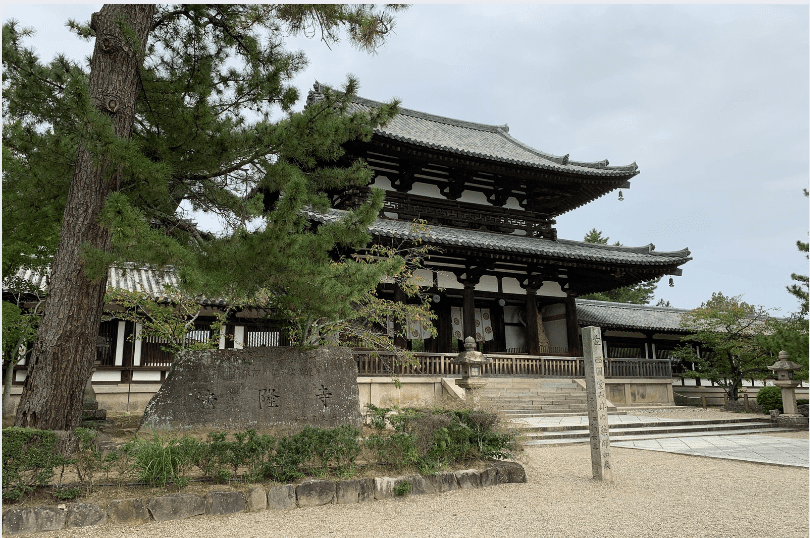
Don’t miss the Ikaruga area northwest of Nara City—a cultural hub home to renowned UNESCO World Heritage Sites. Here, the legendary Horyu-ji Temple stands as one of Japan’s oldest and most significant Buddhist temples. Nearby, the elegant Chugu-ji and Hokki-ji temples complement the experience, while the scenic Yamato Kaido Trail connects these sacred places for a rewarding half-day hike.
If you’re interested in the region’s artistic legacy, the Nara National Museum in Nara Park is a must-see. Here, you’ll encounter masterpieces of Buddhist art, national treasures, and insightful exhibitions that take you deeply into the world of Japanese spirituality.
Expand your journey with day excursions to rural gems like Yoshino in southern Nara—famed for cherry blossoms and mountain temples—or historic Kashihara, known for the Kashihara Shrine and the birth of Japan’s legendary first emperor. From authentic crafts in Naramachi to the temple-studded hills of Ikaruga, these off-the-beaten-path attractions allow you to experience a more intimate side of Nara and its rich tapestry of traditions.
Visit Nara by Season: Best Times and Festive Experiences
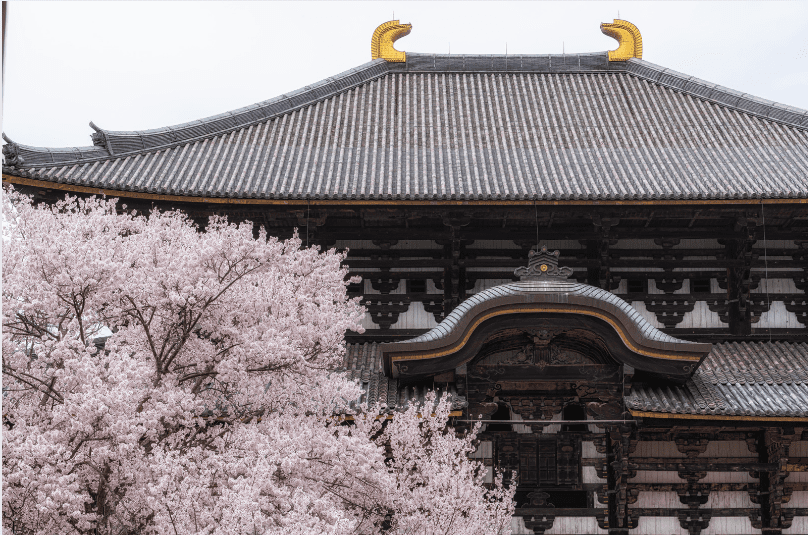
Nara changes with each season, and every time of year feels special.
In spring, the city is transformed by clouds of cherry blossoms. Iconic spots like Nara Park, the grounds of Tōdai-ji Temple, and the riverside paths near Kōfuku-ji overflow with sakura. Stroll through Isuien Garden as petals fall into quiet ponds, or join in local celebrations like the Nara Manyo Festival and traditional hanami picnics under blooming trees.
Summer brings a vibrant energy to Nara, marked by atmospheric events and warm evenings. Relish enchanting sights like the lantern-lit paths during the Nara Tokae Festival, when thousands of flickering lights create a magical landscape across Nara Park and temple grounds. This is also the perfect season for leisurely nature walks in the sacred Kasugayama Primeval Forest or late-day hikes up Mount Wakakusa with city views at sunset.
Autumn sets Nara aglow with fiery maple and ginkgo foliage, especially in Yoshikien and around shrines such as Kasuga Taisha. The season ushers in rich cultural experiences, from elegant moon-viewing gatherings to harvest festivals and temple art displays. Many visitors feel autumn is the ideal time for temple-hopping, thanks to comfortable weather and breathtaking scenery.
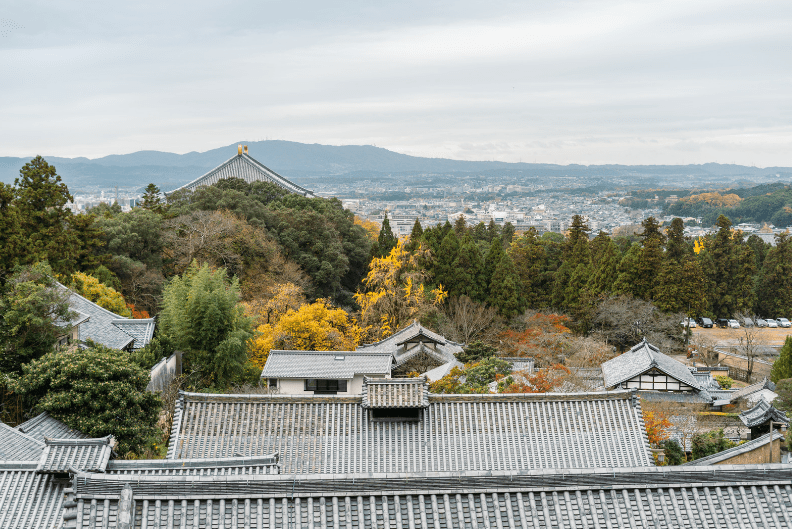
Winter offers a quieter, contemplative Nara—all the more magical for its peaceful shrines and frosty temple gardens. Highlights include the ancient Omizutori Fire Ceremony at Nigatsudo Hall, one of Japan’s oldest Buddhist rituals, filling the city with a sense of renewal and spiritual celebration. You’ll also find festive illuminations in Nara’s historic areas and fewer crowds, making it ideal for those seeking solitude amidst national treasures.
From cherry blossom revelry to mystical lantern nights and sacred rituals, each season brings its own signature delights to your Nara itinerary. Plan your trip around one of the many lively local festivals—see the Nara Festivals & Events calendar for the latest dates and details, and let the rhythms of Nara’s ancient capital shape a truly memorable visit.
After visiting Nara Park and Todai-ji Temple, you may want more local insight. A private Nara tour from Osaka can help you explore deeper at your own pace.
Conclusion
Nara stands as a captivating destination where ancient culture meets serene natural beauty. With its UNESCO-listed temples, playful free-roaming deer, and tranquil gardens, every corner tells a different story about Japan’s early history and traditions.
From easily accessible transport options to tailored itineraries for all interests, Nara offers both convenience and authentic immersion. Whether you crave world-renowned landmarks like Todai-ji or charming streets filled with local flavors and crafts, you’ll find something to delight and inspire you.
Let Nara’s timeless landscapes and vibrant traditions awaken your sense of discovery. Start planning your own memorable journey and experience firsthand why this city continues to enchant travelers across the globe.
FAQs
1. Can I see the main sights of Nara in just one day?
Absolutely—you can cover most of Nara’s top attractions, like Todai-ji Temple, Nara Park, and Kasuga Taisha Shrine, within a day if you plan. Starting early and following a suggested walking route helps maximize your time, but if you’re interested in deeper exploration or a more relaxed pace, consider staying overnight for a two-day itinerary.
2. What is the best way to get to Nara from Kyoto or Osaka?
The JR and Kintetsu train lines both offer convenient and frequent service from Kyoto and Osaka. Kintetsu Nara Station is closer to the main attractions, while JR Nara Station is ideal if you’re traveling with a Japan Rail Pass; both stations have tourist offices and easy access to buses and taxis.
3. Are the deer in Nara Park safe to approach?
Nara’s deer are accustomed to people and can often be fed special deer crackers sold in the park, but remember to treat them with respect. Don’t tease or crowd them, watch for warning signs (they may nudge or butt softly for food), and always supervise children during interactions.
4. What local foods should I try while visiting Nara?
Be sure to sample regional specialties like kakinoha-zushi (sushi wrapped in persimmon leaves), narazuke pickles, Yamato beef, and traditional sweets such as mochi and wagashi. Local machiya-style cafes and sake breweries offer a taste of Nara’s culinary heritage, so pop into a few for an authentic experience.
5. When is the best time to visit Nara for festivals or natural beauty?
Nara is stunning year-round, but spring (for cherry blossoms) and autumn (for colorful foliage) are especially beautiful and festive, with events like the Wakakusa Yamayaki Fire Festival or Omizutori drawing big crowds. Check the city’s seasonal event calendar before your trip to catch unique traditional celebrations and the best of each season’s scenery.